

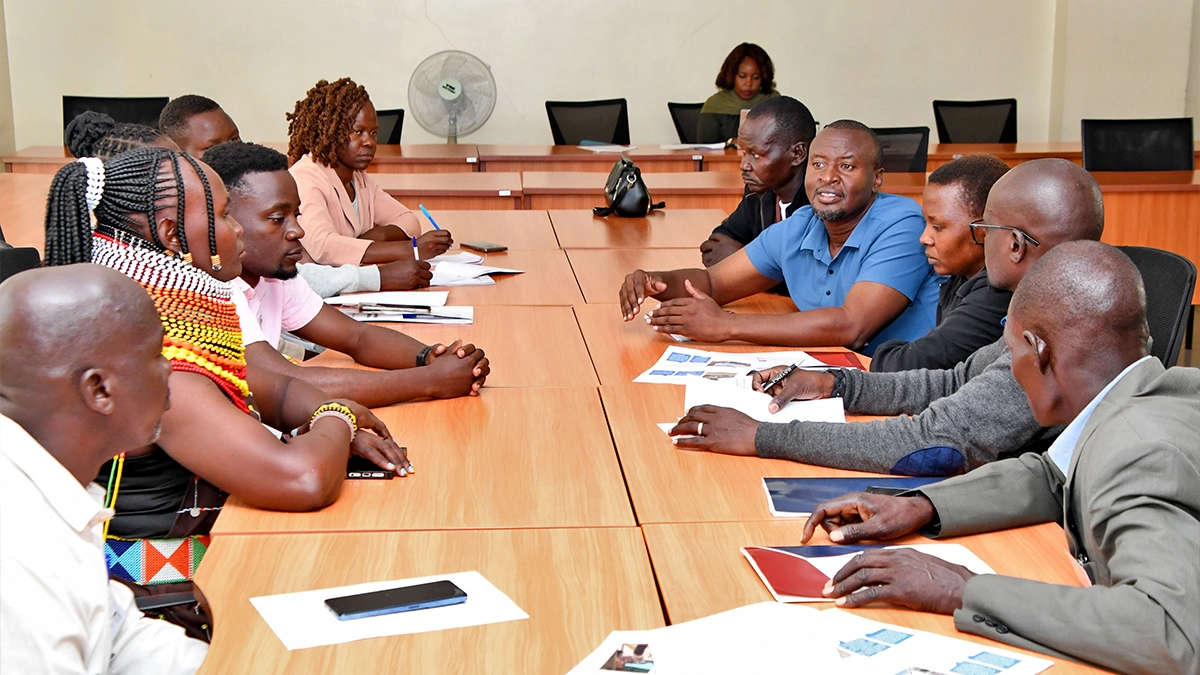

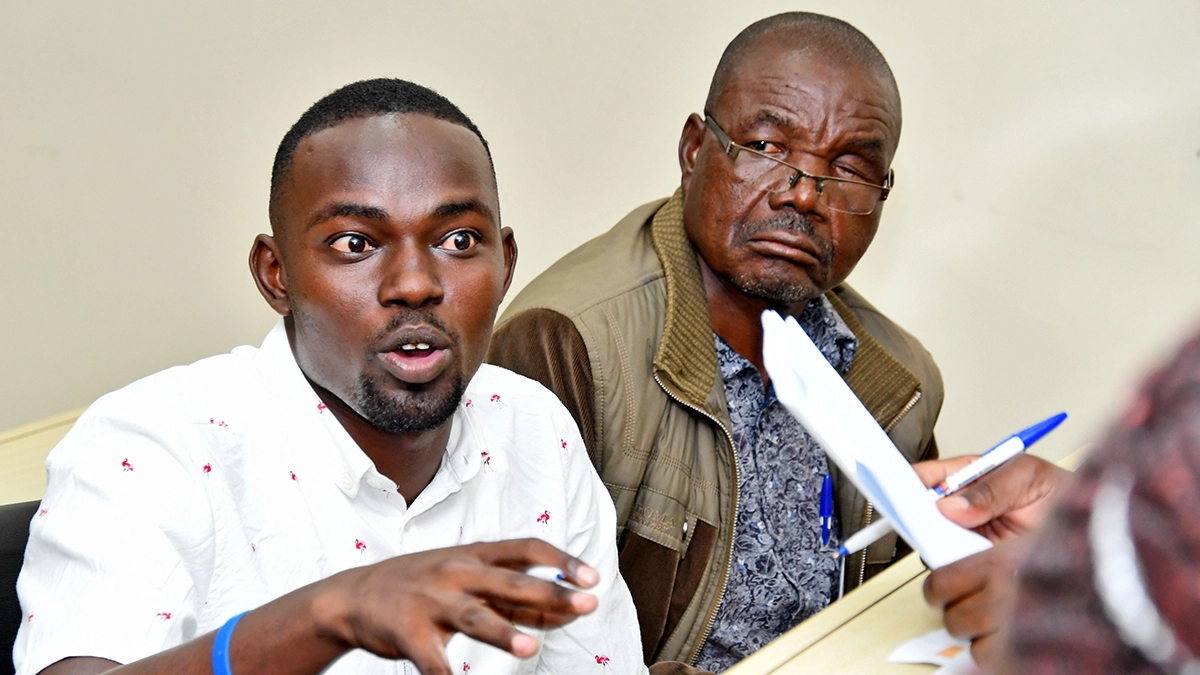
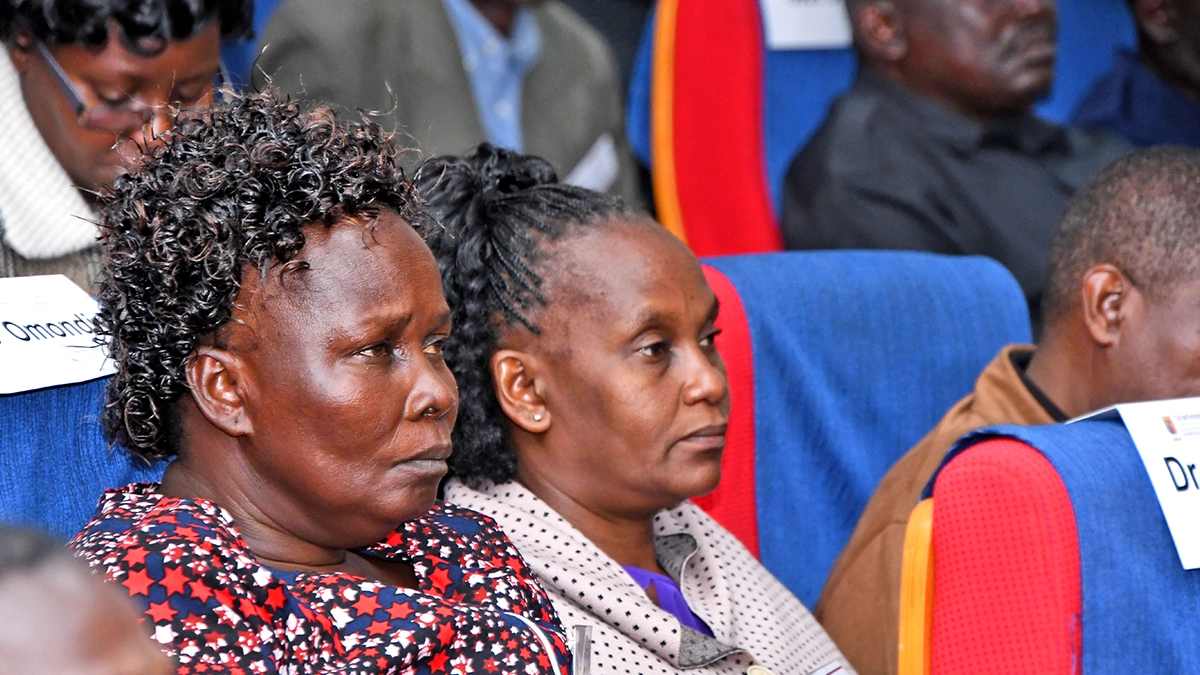
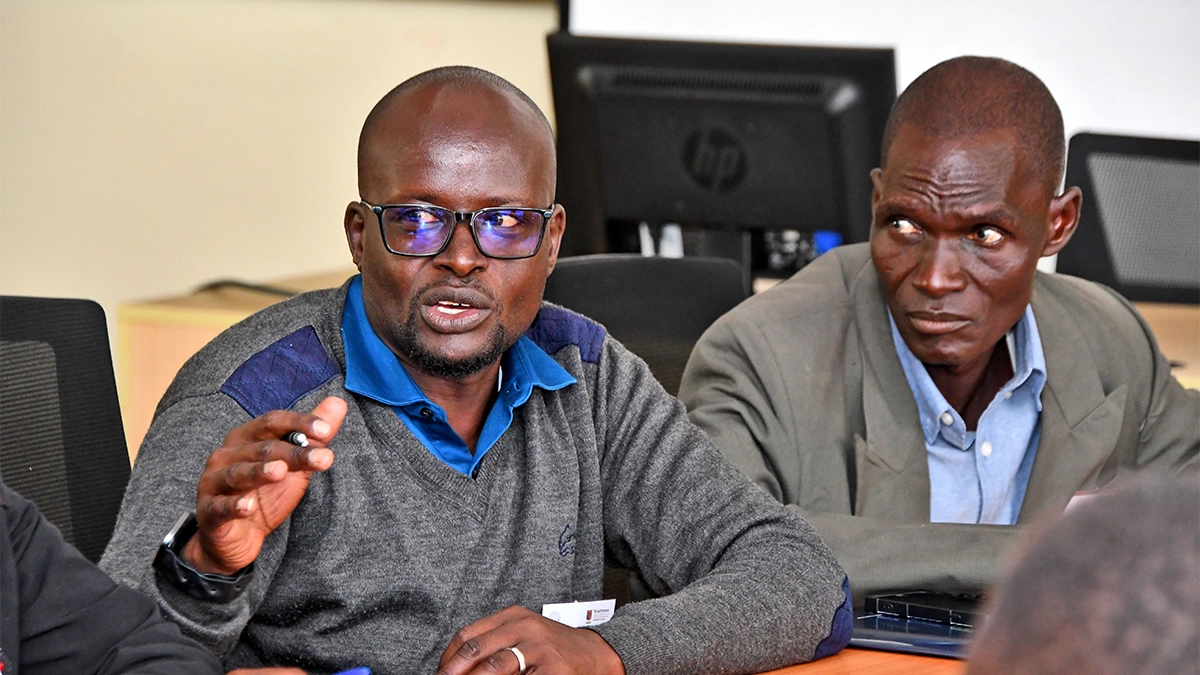
From 28th to 30th April 2025, Strathmore University Business School (SBS) hosted an orientation workshop for Community-Facility Transfusion Committees (CFTCs) through its Institute of Healthcare Management.
This workshop forms part of the broader Pathways for Innovation in Blood Transfusion Systems (PITS) project—an ambitious research initiative to identify and address critical gaps in Kenya’s blood transfusion process to ensure a safer, more reliable blood supply. Funded by the U.S.-based National Institutes of Health (NIH) and endorsed by county governments and the Department of Health and Welfare, the study is designed to observe how communities mobilize to improve health services, focusing on blood transfusion systems.
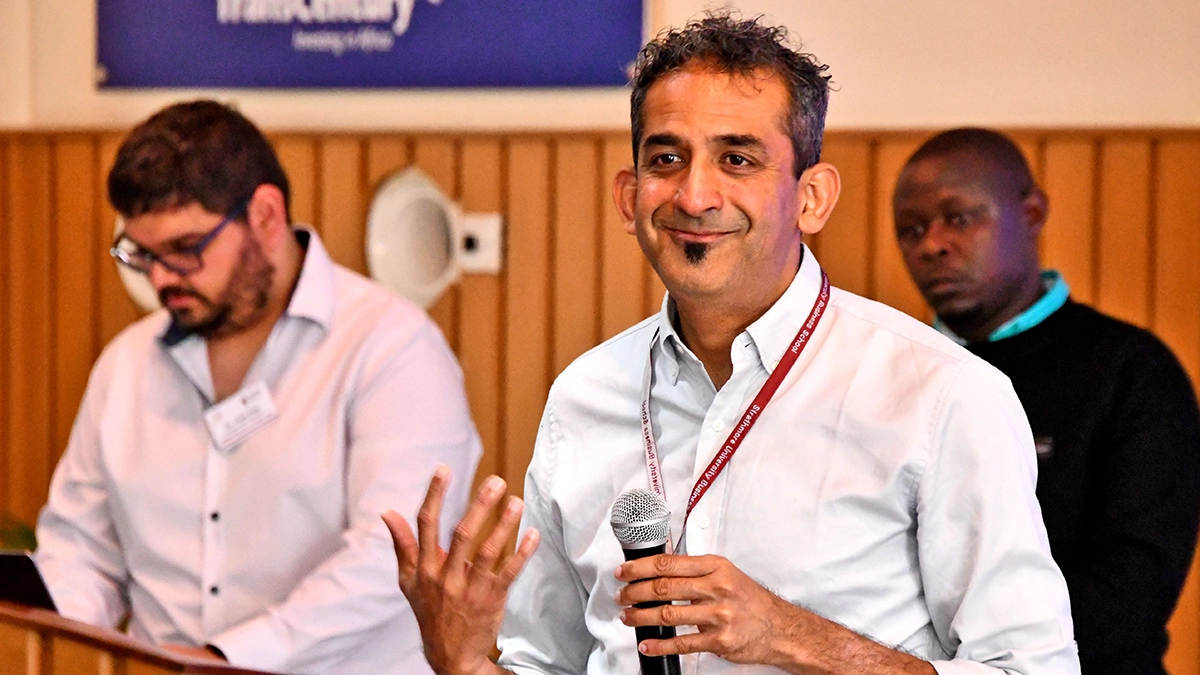
Dr. Pratap Kumar, Principal Investigator of the PITS project, delivered a compelling message that set the tone for the 15-month journey ahead, emphasizing collaboration, ownership, and action. He clarified that the research team’s role is not to dictate solutions but to learn from the community’s efforts. “We are not here to tell you what to do. Our job is to observe. Your job is to act,” he told participants.
The PITS study focuses on three key regions; Nakuru, and Siaya, where persistent challenges in the blood supply chain are under review. By harnessing mobile phone technology to digitize paper records and improve communication, the project aims to boost responsiveness for patients in need of transfusions.
The study’s objectives are comprehensive: mapping deficiencies across the blood transfusion continuum, identifying practical solutions to enhance blood availability, and actively engaging stakeholders to co-develop context-specific interventions. It also seeks to leverage digital tools to streamline data collection and accessibility, while developing mathematical models and computer simulations to diagnose system inefficiencies and test potential improvements.
At the heart of the initiative is the formation of Community-Facility Transfusion Committees (CFTCs). These committees unite community members, facility staff, and community health workers to identify local challenges, design practical solutions, and implement grassroots interventions—whether by raising awareness of school-based blood donation drives or improving access to donation points.
Addressing concerns about representation, Dr. Kumar acknowledged questions regarding the absence of certain groups, such as patients, teachers, or police officers. “It is impossible to include everyone,” he explained, “but we’ve worked hard to ensure the selection process was fair, balanced, and community-driven.” To minimize bias, community leaders provided broad lists of candidates, from which committee members were randomly selected. While not every CFTC may include a lab technician or teacher, strong representation from the three key groups ensures a solid foundation for meaningful work. “You don’t need a lab technician in every group to understand blood issues,” Dr. Kumar added. “Facility staff bring a collective understanding that can carry the work forward.”
Over the coming 15 months, the research team will observe how the CFTCs operate, how decisions are made, and what outcomes unfold. Whether the journey yields success, obstacles, or unexpected insights, the ultimate goal is shared learning for researchers, healthcare systems, and communities.
With a strong foundation laid at Strathmore University Business School, communities are now well-positioned to take ownership and drive meaningful change in strengthening Kenya’s blood transfusion systems.
Learn more about the PITS project here.
Article by Juliet Hinga and Miriam Wafula
Share This Story, Choose Your Platform!
Your journey to business excellence starts here. Subscribe today and be at the forefront of innovation and leadership.






 English (United States)
  English (UK)
  French