


Disasters and their impact on people, institutional systems, infrastructure as well as the environment can be managed if not avoided in their entirety. However, historical disaster research data highlights a pattern of lessons learned but not implemented or systematically assessed. This results in reactive, and economically unsustainable response-based approaches to disasters whose outcomes include significant business failure brought about by the inability to withstand and recover from disaster shocks.
Speaking during a webinar session at Strathmore University Business School, Dr. Njoki Mwarumba, Academic Lead for the Disaster Management Executive Programme at SBS and a disaster management expert, highlighted the importance of collaboration between the public and private sectors in forging a way forward for disaster response and disaster cycle management for Kenya.
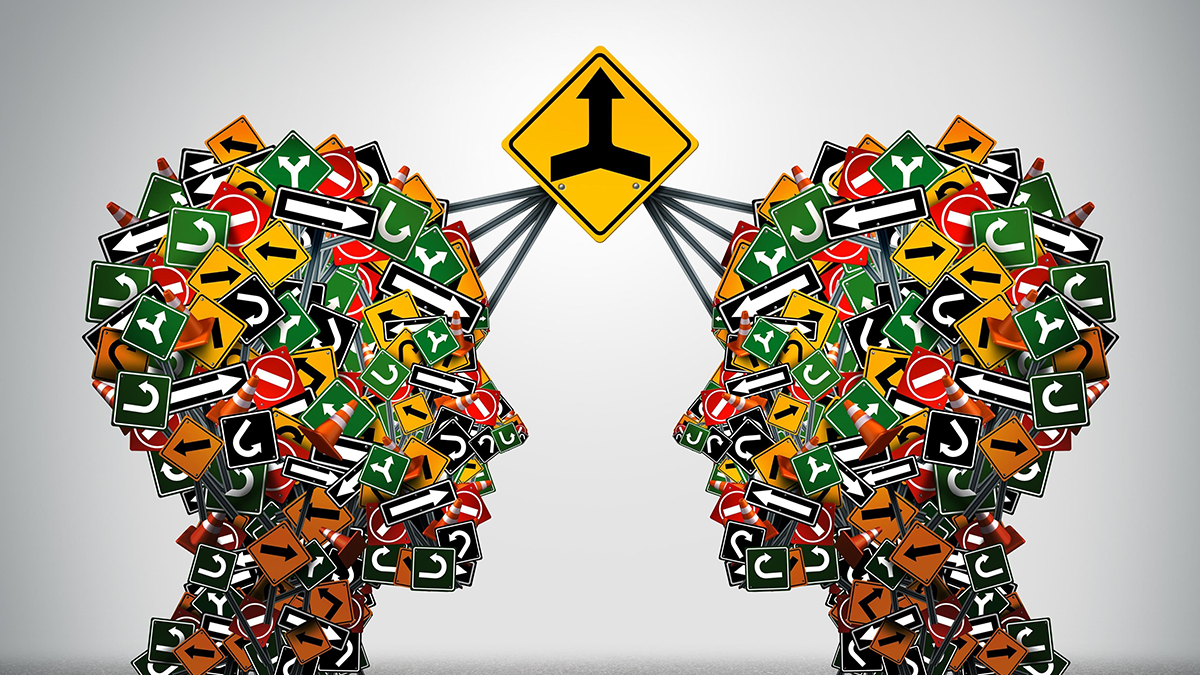
The webinar session, dubbed ‘The Disaster Management Imperative: Towards a Collaborative Framework’, brought together different players from the private sector, academic and public sector to discuss the way forward for disaster cycle management in the country. The discussion revolved around how countries can more effectively manage and respond to disasters by having all the relevant stakeholders create a concrete disaster management framework.
The webinar session also touched on the role of the Disaster Management Bill 2021. The Bill aims to create an Act of Parliament to establish the National Disaster Risk Management Authority and County Disaster Risk Management Committees. The committees are to provide a legal framework for the coordination of disaster risk management. The implementation of legal policies on disaster management will go a long way in setting the foundation for the creation of the collaborative framework.
Speaking during the webinar session, Mutheu Khimulu, a Legal Specialist in Data Privacy, Financial Regulation and AML Law, brought into the discussion the perspective of cybersecurity. She raised the question of why cybersecurity can cause a disaster and how cybersecurity plays into the creation of a collaborative disaster management framework. “Traditionally, on both the global and national fronts, disaster management has primarily focused on two types of disasters: natural disasters and man-made disasters. However, times have drastically changed, now there is another domain that comes into play; cyberspace, where all these disasters can be triggered at the click of a button by anyone with the requisite skills and access to the internet,” she noted.
Disasters are not a new phenomenon; they have been witnessed in the past and will continue to occur in different types, forms and magnitudes. This is why it is imperative that going forward, all the relevant stakeholders work together to create a more collaborative framework.
About the Disaster Management Executive Programme
Disaster research data indicates a strong trend towards an increase in disaster frequency and intensity further complicated by the compounding and cascading of historical and ongoing disaster events. The COVID-19 pandemic has provided sharp focus on this reality, making disaster cycle management a requisite for business and organizational survival.
SBS is offering the inaugural Disaster Management Executive Programme, which aims to give the participants perspectives and strategies for building disaster resilient human, physical, intellectual, and financial resources to counter these phenomena. Learn more about the Disaster Management Executive Programme.
Article by Juliet Hinga
Would you like to share an article? Write to us at sbscommunication@strathmore.edu
Share This Story, Choose Your Platform!
Your journey to business excellence starts here. Subscribe today and be at the forefront of innovation and leadership.







 English (United States)
  English (UK)
  French