

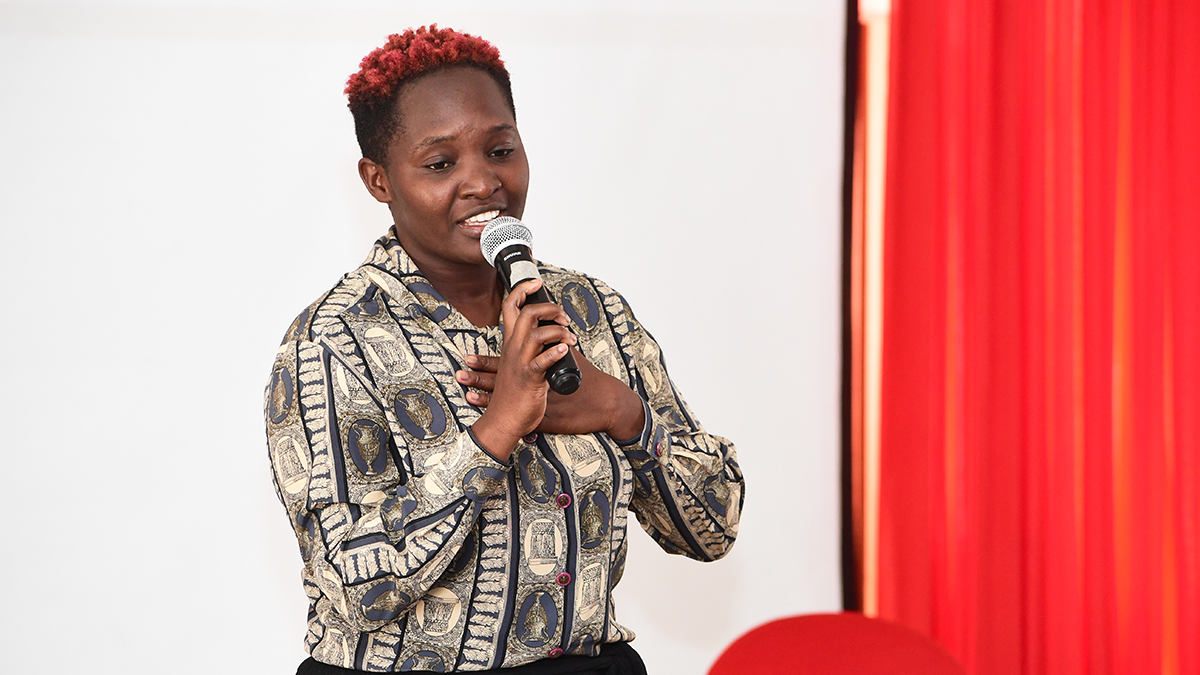
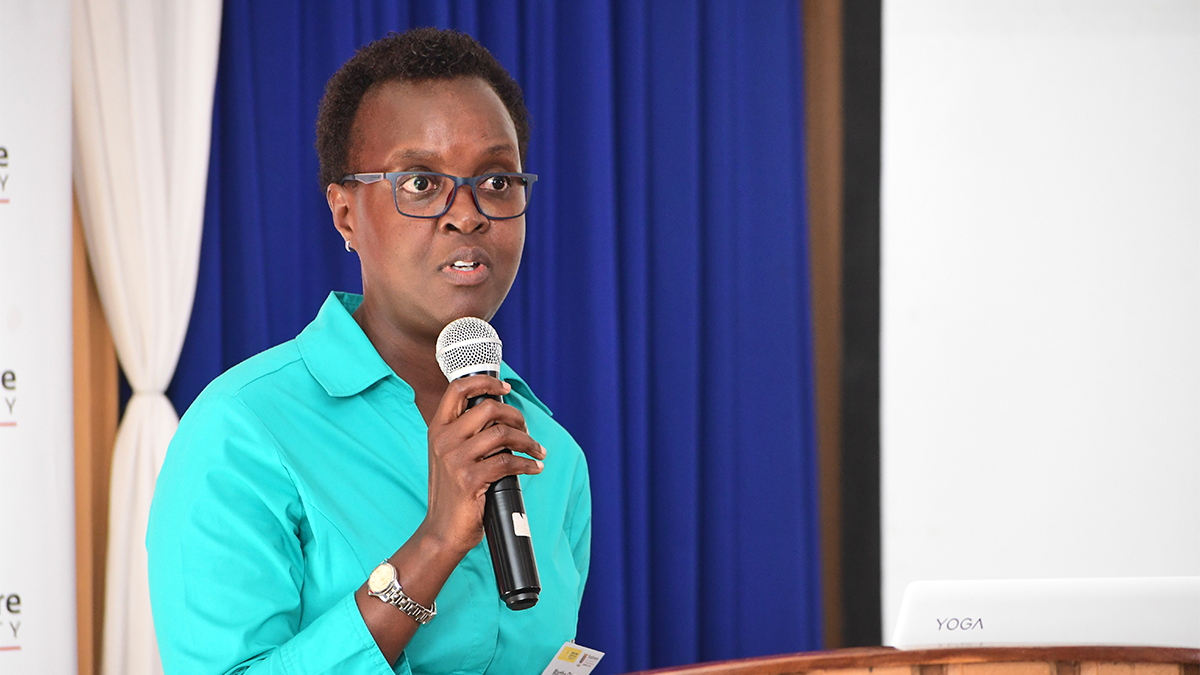
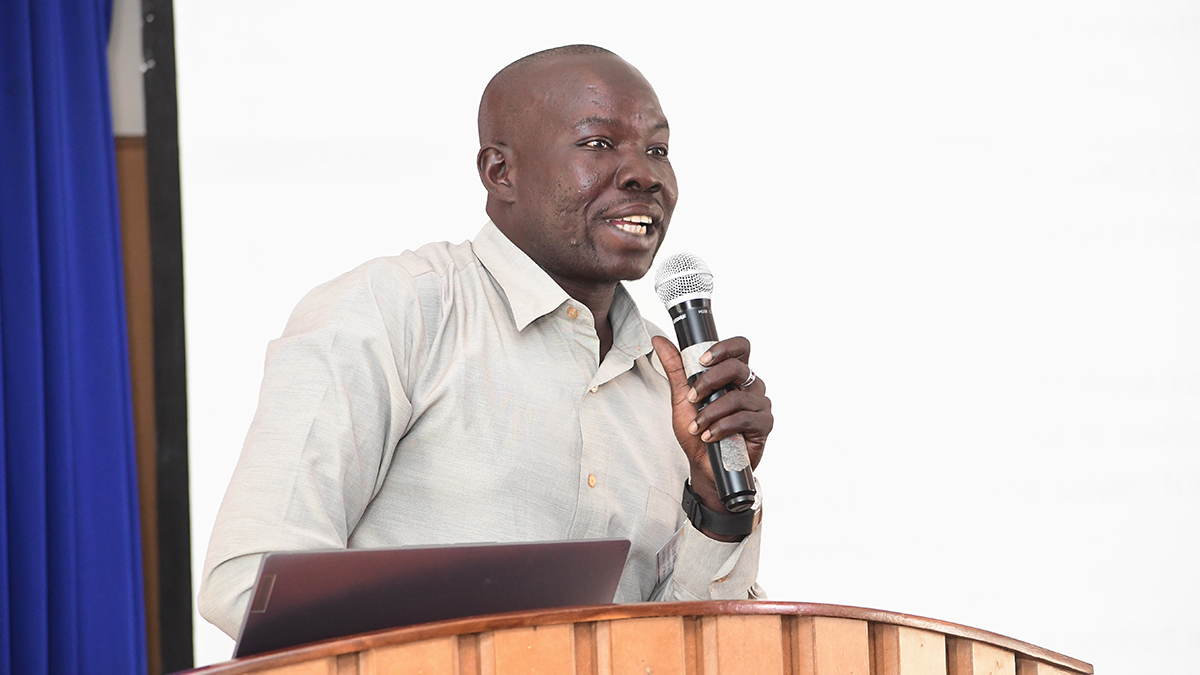
In the dynamic landscape of global conflict, the quest for sustainable peace and the protection of civilians has never been more crucial. In the past 5 years, we have seen various conflicts affecting civilians from the Russia-Ukraine War to the Israel-Palestine Conflict, gang war in Haiti, coup-d’etats in Niger and closer home, the unrest in Sudan and disputes among the Turkana and the Samburu just to name a few.
It is against this backdrop that the Creating Safer Space international research and impact collaboration, a four year initiative funded by the UK’s Arts and Humanities Research Council (AHRC) through the Global Challenges Research Fund (GCRF). This research aimed to understand, and support unarmed civilian protection and self-protection amidst violent conflict with the focus being to strengthen civilian capacities for protection and to support local efforts to transform conflict non-violently as a basis for lasting, sustainable peace with social justice. For this collaboration, Strathmore University Business School (SBS) was represented by Rosemary Orlale Okello, Director of the Africa Media Hub at SBS. Rosemary served as the research coordinator for Africa researchers.
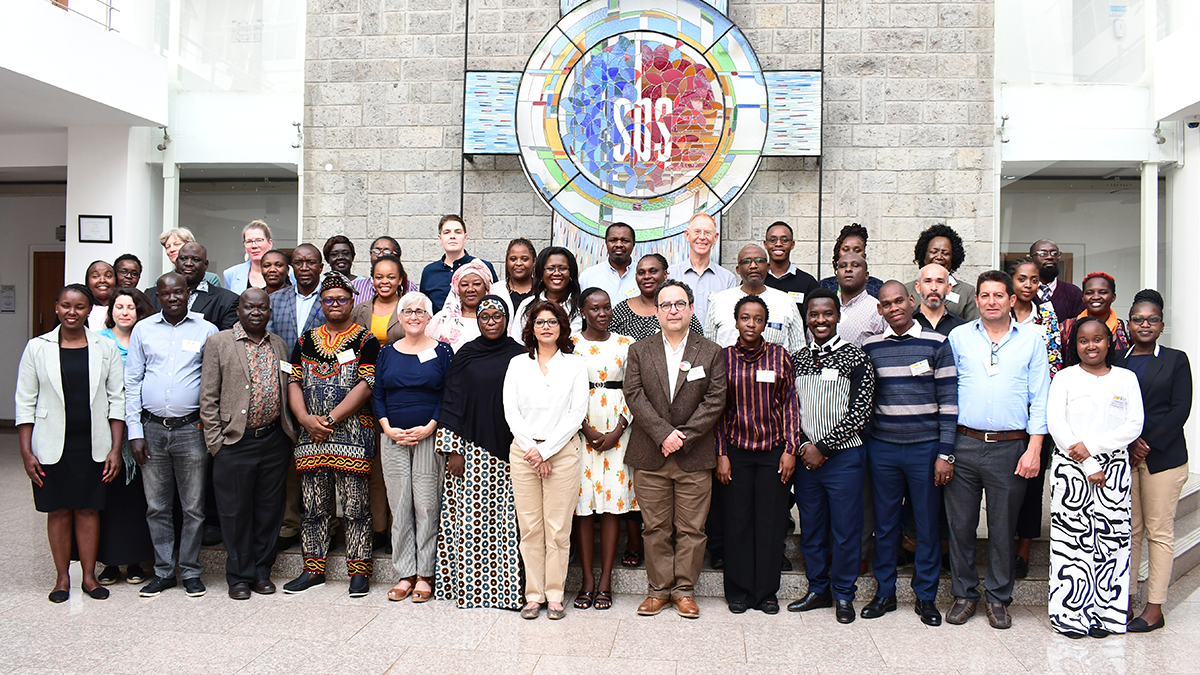
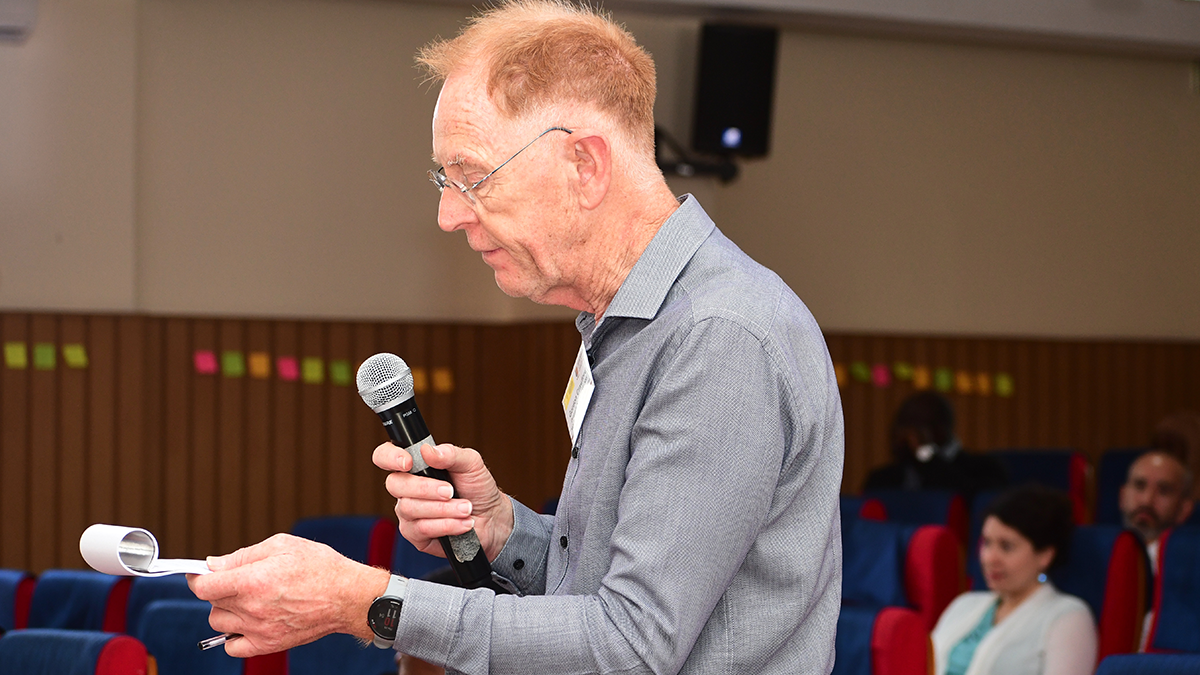
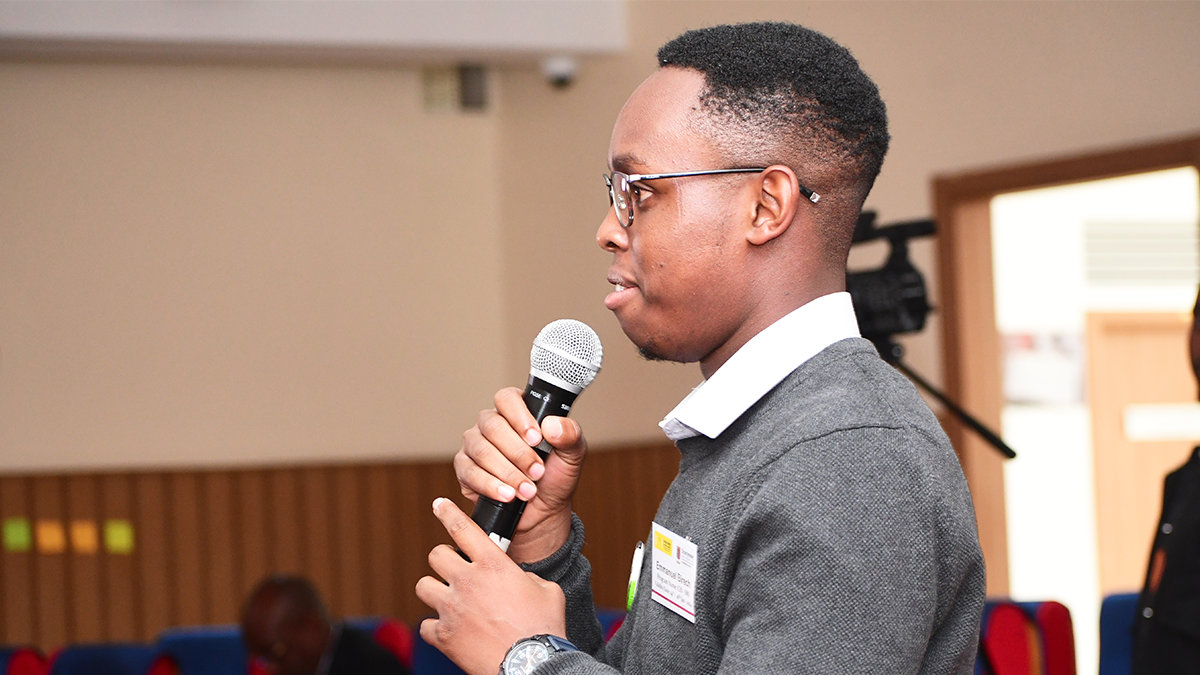
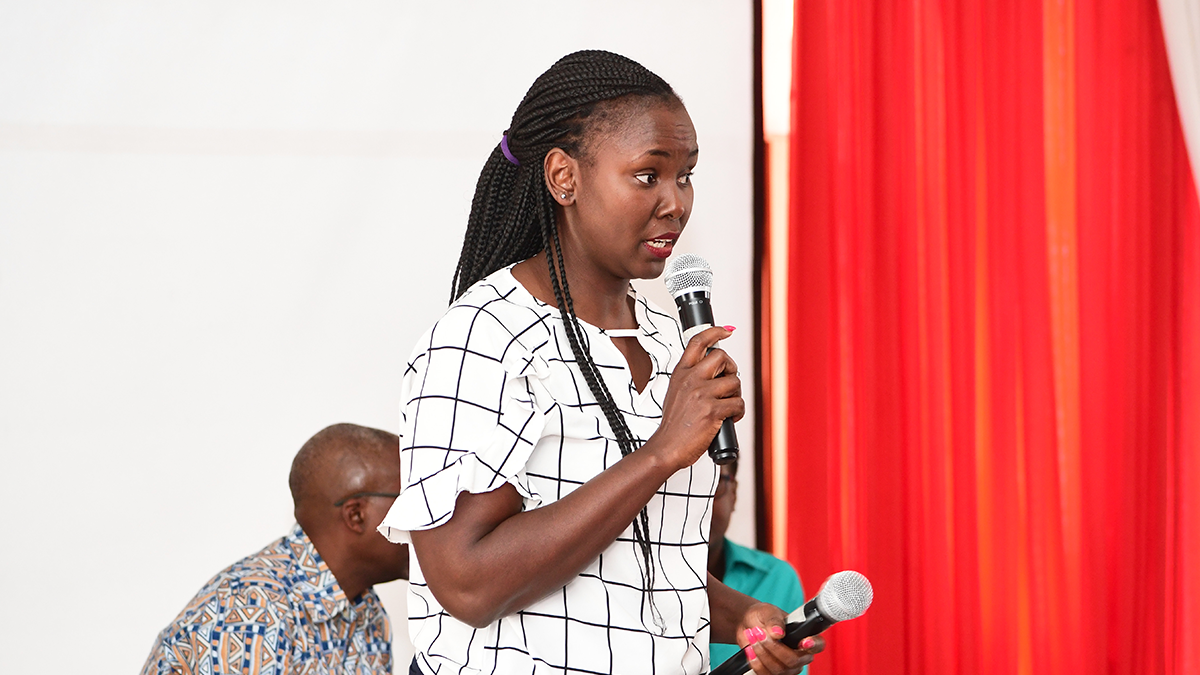
This research and impact collaboration culminated in the Creating Safer Space Conference, hosted at Strathmore University Business School, between 24th and 26th January 2024. This conference brought researchers and practitioners together to share research findings, unique research methodologies, and implications of the research findings for violence prevention, protection, and peacebuilding initiatives. The conference also featured exhibitions which brought together objects, images, and voices to show how civilians around the world harness the power of nonviolence to create safer spaces for a dignified life.
The research activities took place in 11 countries in Southeast Asia, Africa, the Middle East, and Latin America, which have witnessed long-term or large-scale violence of different types and have been home to a variety of local protection initiatives. These include; Cameroon, Colombia, Indonesia, Kenya, Nigeria, Myanmar, Palestine, the Philippines, South Sudan, Thailand, and the US/Mexico border.
During the opening ceremony, Ambassador Frederic Gateretse-Ngoga, Senior Advisor on International Partnerships at the Africa Union, delved into a critical observation. He highlighted a pervasive issue in many African countries – the inheritance of administrations without the accompanying establishment of a cohesive state. This, he noted, underscores the urgent need for nation-building initiatives. Ambassador Gateretse-Ngoga further underscored the challenges posed by the disregard for international law, expressing the complexity of addressing 100 border disputes, 300 secessionist movements, and the fierce competition for Africa’s resources. Despite these hurdles, he emphasized that with political goodwill and active community engagement, the realization of the 2063 Pan-African agenda is indeed attainable.
Dr. Vincent Ogutu, the Vice Chancellor, Strathmore University, in his welcome remarks, emphasized the pivotal role of academia in fostering a harmonious society. According to Dr. Ogutu, academia plays a crucial role in dismantling detrimental stereotypes and establishing professional networks that contribute to peaceful methods of civilian protection. He drew parallels with Mahatma Gandhi, illustrating how academia, much like Gandhi’s use of soft power, can lead ethical and non-violent resistance against oppressors. In his words, this approach is instrumental in cultivating an environment that promotes peace and societal well-being.
Without a doubt, Unarmed Civilian Protection (UCP) is a unique concept that gives individuals agency in management of their security in contexts where state security apparatus doesn’t function or are used against civilian populations. This conference highlighted the role of civilians in protecting themselves and the communities in conflict- affected areas. It further brought to light the critical role of community-based organizations in empowering local communities with self-protection mechanisms.
Towards the sustainability of these efforts, more collaborative engagements between local communities, community-based organisations, academia and research organisations, state ministries, departments, and agencies as well as intergovernmental organizations should be established, managed and fostered.
The Africa Media Hub is one of the Research Centers at the Strathmore University Business School. Established in 2017, the AMH founding principles recognises that economic, financial and data journalism can help change the poverty narrative in Africa by creating a convergence between the private sector, policy makers, media, academia, and communities, through the effective use of Data for decision-making and telling the untold stories. It has established an Innovation, Development Data and Analytics Initiative that focuses on curating new pathways for research and citizen-based data that can enable African business communities to harness the data revolution for the benefit of society.
The Creating Safer Space Network brings together conflict-affected communities, protection practitioners, academics, policymakers, and artists to jointly work on the Network vision of enhancing unarmed protection practices, which create safer space for communities amidst violent conflict and help prevent displacement. Learn more about the network here
Article by Juliet Hinga and Kennedy Wangari
Share This Story, Choose Your Platform!
Your journey to business excellence starts here. Subscribe today and be at the forefront of innovation and leadership.






 English (United States)
  English (UK)
  French