

The Kenyan health sector is at a critical juncture and faces a multitude of challenges that demand innovative and integrated approaches. Among these challenges, climate health and the One Health approach stand out as pivotal areas of focus, intertwined with other emerging considerations that influence the overall health and well-being of the population.
Climate change is an undeniable reality that poses significant threats to public health in Kenya. The rising temperatures, erratic rainfall patterns, and extreme weather events have direct and indirect impacts on health. In the past decade the country has experienced increased incidences of climate-related diseases such as malaria, cholera, and respiratory infections.
More recently, we have seen floods and droughts disrupt water supply and sanitation systems, leading to outbreaks of waterborne diseases. Further, the agricultural sector, which is a major source of livelihood, is adversely affected by the extreme weather conditions, leading to increased food insecurity and malnutrition cases.
It is therefore imperative to address climate health challenges, and this will require a multifaceted approach that includes strengthening healthcare systems, improving infrastructure, and enhancing community resilience. Public health interventions must incorporate climate change adaptation and mitigation strategies to effectively manage and prevent climate-related health issues. Integrating climate health into national health policies and plans is essential for building a robust response to these emerging threats.
One Health: An Integrated Approach
The One Health approach is gaining traction as a comprehensive strategy to tackle the interconnected health challenges of humans, animals, and the environment. In Kenya, this approach is particularly relevant due to the country’s rich biodiversity and the close interactions between humans and animals. Zoonotic diseases, which are transmitted between animals and humans, are a significant concern. The recent outbreaks of diseases such as Rift Valley Fever, Covid-19, avian influenza and ebola among others highlight the need for a more coordinated response. Additionally, issues such as antimicrobial resistance and environmental degradation underscore the need for coordinated action across various sectors, including healthcare, veterinary medicine, environmental science, and public policy.
One Health promotes collaboration across various sectors, including healthcare, veterinary medicine, environmental science, and public policy. By fostering interdisciplinary cooperation, this approach enhances the ability to detect, prevent, and respond to health threats more effectively. In Kenya, implementing One Health can lead to better surveillance of zoonotic diseases, improved disease control measures, and stronger health systems capable of addressing complex health issues.
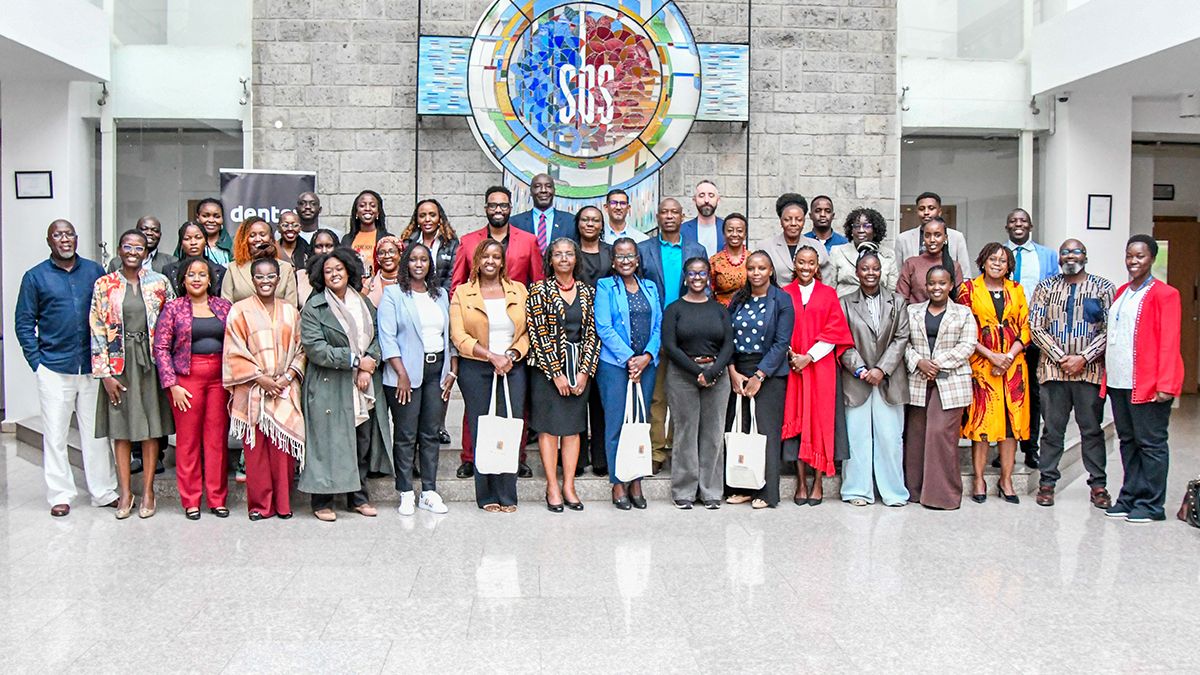
During a recent panel discussion at Strathmore University Business School, Dr. Njeri Gitau from the Kenya Ministry of health, Bernard Bett, a Senior scientist, Animal and human health and Dr. Robert Onsare, Dr. Robert Onsare, a Senior Research Scientist at Kenya Medical Research Institute (KEMRI) emphasized the importance of One Health in addressing contemporary public health challenges. They highlighted the need for partnership and coordination among diverse stakeholders to improve data collection, decision-making processes, and resource allocation. Educating farmers on hygiene practices and sustainable agricultural methods emerged as a priority, given the profound impact of farming practices on human, animal, and environmental health.
Furthermore, the panel stressed the significance of ethical leadership and governance in ensuring the success of One Health initiatives. Championing transparency, accountability, and integrity at all levels of government and society is essential for fostering trust and facilitating meaningful progress in public health endeavours.
Emerging Considerations in the Kenyan Health Sector
Beyond climate health and One Health, several other emerging considerations are shaping the Kenyan health sector.
- Non-Communicable Diseases (NCDs): The burden of NCDs such as diabetes, hypertension, and cancer are on the rise in Kenya. Lifestyle changes, urbanization, and aging populations contribute to this trend. Strengthening preventive measures, early diagnosis, and management of NCDs is crucial for reducing their impact on the population.
- Digital Health Innovations: Technological advancements are transforming healthcare delivery in Kenya. Mobile health applications, telemedicine, and electronic health records are enhancing access to care, especially in remote areas. Leveraging digital health innovations can improve healthcare efficiency, patient outcomes, and data management.
- Universal Health Coverage (UHC): Achieving UHC remains a priority for Kenya. Ensuring that all individuals have access to quality healthcare services without financial hardship is fundamental to improving health equity. Efforts to expand healthcare infrastructure, increase funding, and address workforce shortages are vital for achieving UHC.
- Mental Health: Mental health issues are increasingly recognized as a significant public health concern in Kenya. Stigma, lack of awareness, and limited resources hinder access to mental health services. Integrating mental health into primary healthcare, increasing public awareness, and training healthcare providers are essential steps to address this challenge.
By embracing a holistic and collaborative mindset, Kenya can enhance its capacity to respond to current and future health threats. Strengthening healthcare systems, fostering interdisciplinary cooperation, and leveraging technological innovations are critical components of a resilient health sector. As Kenya continues to evolve, prioritizing these areas will be key to ensuring the health and well-being of its population in the face of emerging and ongoing challenges.
Article by Juliet Hinga
Share This Story, Choose Your Platform!
Your journey to business excellence starts here. Subscribe today and be at the forefront of innovation and leadership.







 English (United States)
  English (UK)
  French