


According to a study done by the Kuehne Logistics University, 69 percent of emergency response costs occur in the supply chain, with other research demonstrating the potential for locally manufactured aid and medical items to reduce costs and improve the speed of crises responses.
Strathmore University Business School, through the Institute of Healthcare Management (IHM), recently conducted a study in Kenya on the availability of essential medicines during the COVID-19 pandemic , enabling an assessment of the level of preparedness and resilience of the public health supply chain. The Humanitarian Logistics Association has also supported a study of humanitarian supply chains in crises . There is now an opportunity to link this work to further research into local procurement to consider lessons learned to advocate for policy change among national and international stakeholders.
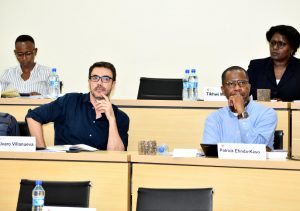
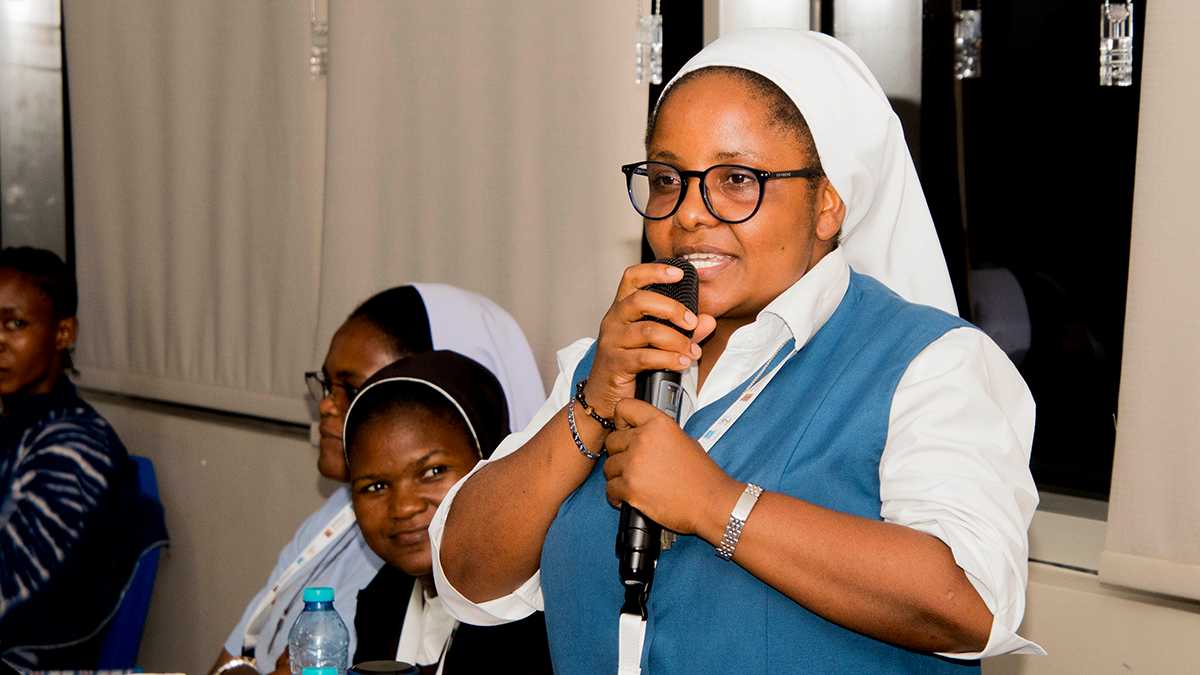
It is against this backdrop that Strathmore University Business School IHM, in partnership with the Humanitarian Logistics Association (HLA) convened a thought leadership roundtable, bringing together key players in the humanitarian supply chain sector, including representatives from the public health, aid and private sectors, manufacturers, and academia. The discussions revolved around the need to develop a local Procurement Learning Framework with a primary focus on the health sector.
To improve the localized procurement of aid and medical items and capitalize on improved manufacturing capabilities in Kenya and East Africa, two fundamental challenges must be addressed:
- Demand side: How can buyers (donors, governments, international and implementing organizations) be helped to adopt policies and practices to procure locally made supplies?
- Supply side: How can local suppliers and manufacturers better prepare to sell to the aid market?
The roundtable aimed to identify the key issues to be considered for research to ensure stakeholder benefits. Further, it provided a unique opportunity for participants to examine innovative approaches to address constraints and barriers to supply chain resilience, with a focus on the local procurement of the health sector. The findings from the roundtable will be recorded and made available for case studies and research.
About the Institute of Healthcare Management at SBS
The Institute of Healthcare Management (IHM) continues to play a leading role in research and research capacity strengthening within the Business School. Firstly, it is involved in the design and execution of world class Academic and Executive training Programmes. Secondly, Institute of Healthcare Management is involved in securing scholarships, PhD training slots, various ongoing and inception-stage research projects and publications. In addition, it secures its mandate through close collaboration with several universities, donors and research institutes, both locally and abroad.
By Juliet Hinga
Would you like to share an article? Please write to us at sbscommunication@strathmore.edu
Share This Story, Choose Your Platform!
Your journey to business excellence starts here. Subscribe today and be at the forefront of innovation and leadership.







 English (United States)
  English (UK)
  French