




Kenya’s supply chain ecosystem sits at the heart of its economic engine, driving trade, connecting producers to markets, and sustaining millions of livelihoods, yet beneath this critical system lies a persistent and deeply constraining working capital gap.
The MSME sector, which contributes approximately 34 per cent of GDP and employs over 15 million people, remains significantly underserved by formal finance. A “missing middle” has long locked out small and medium enterprises from accessing affordable, fit-for-purpose capital, particularly the kind needed to sustain and scale supply chain operations.
The result is a cycle of constraint: businesses relying on informal financing, navigating delayed payments, and struggling to maintain liquidity. Across value chains, from agriculture to trade manufacturing, this challenge is not theoretical. It is lived daily. While Kenya is widely recognized as a leader in financial innovation, the pressing question remains: how can this innovation be translated into inclusive, transaction-based financing models that unlock capital where it is needed most, within everyday trade?
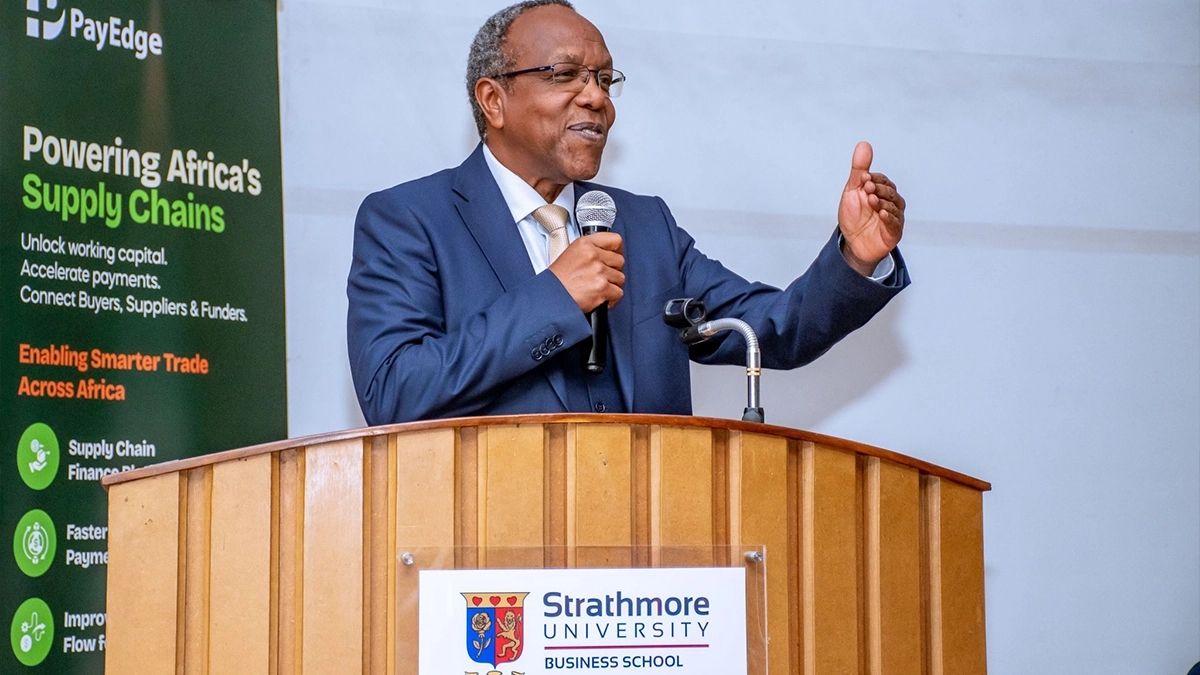
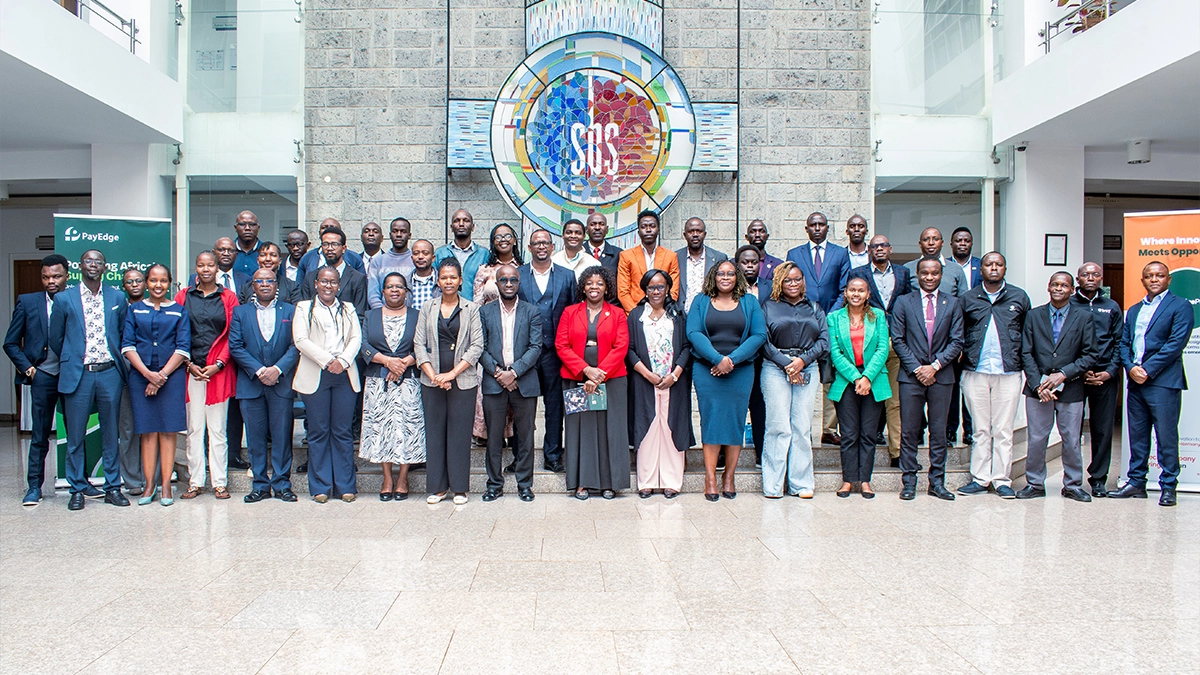
It is against this backdrop that, on Tuesday, 21st April 2026, Strathmore University Business School convened industry leaders, policymakers, and innovators for the Supply Chain Financing Breakfast, an engaging, solutions-driven forum anchored on the theme: Powering Seamless Supply Chains: Connecting Finance, Technology, and African Trade. From the outset, it was clear this was not just another industry convening, but a deliberate effort to bridge insight, policy, and practice.
From the conversations, the message was clear: Kenya’s working capital gap is not a theoretical problem. It is felt every day by a farmer in Meru waiting 60–90 days for payment, a trader in Gikomba Market in Nairobi, who can’t take the next order, and a small manufacturer who can’t afford to scale.
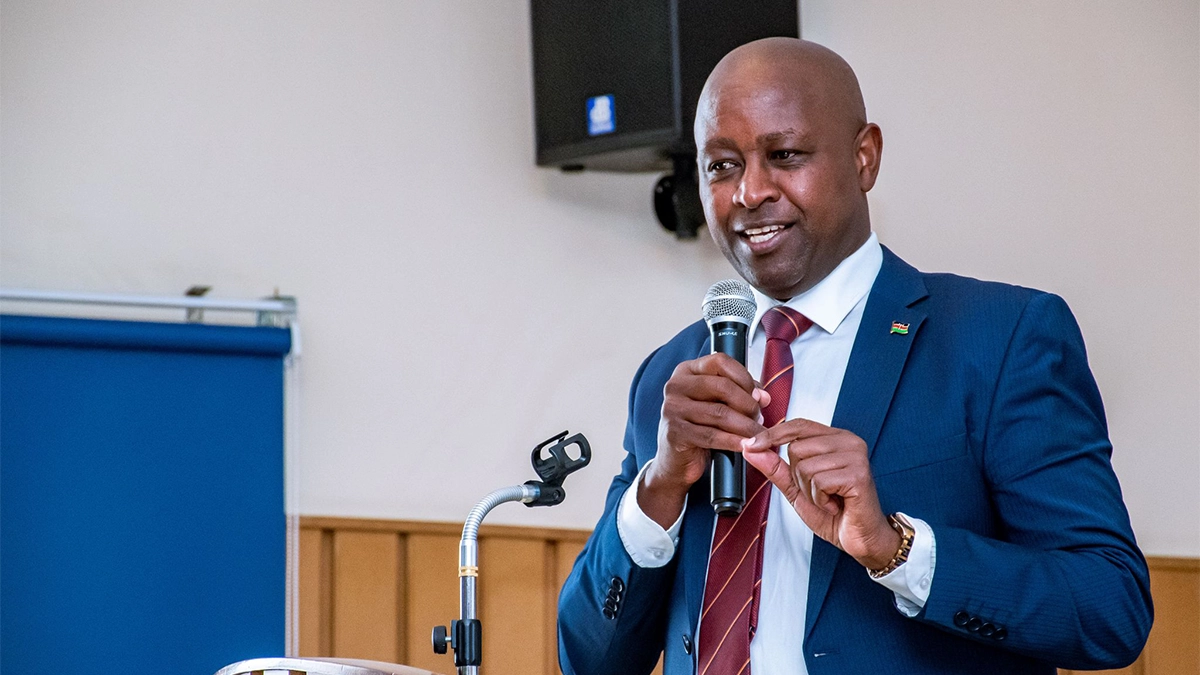
In his keynote address, Patrick Kilemi, Principal Secretary, State Department of Cooperatives, underscored both the promise and the persistent challenges facing Kenya’s cooperative movement. With over 15,000 cooperatives and SACCOs, the sector remains one of Africa’s most vibrant financial inclusion platforms. However, he noted that working capital trapped in delayed payments continues to undermine the very enterprises that anchor national supply chains.
PS Kilemi reframed the conversation entirely. His message,” we must stop treating SMEs & MSMEs as subsistence actors. They are entrepreneurs, and our systems must reflect that.”
He outlined three strategic government interventions aimed at addressing these structural financing gaps:
- Governance reform. The SACCO Society Bill 2025 and the proposed Cooperatives Bill are laying the foundation for credible, investment-ready institutions. Accountability is non-negotiable.
- Supply Chain financing. A decisive shift from collateral-based to transaction-based lending. Over KES 13 billion disbursed to 650,000+ farmers through the Coffee Cherry Advance Revolving Fund is proof the model works, and it’s being scaled to dairy, cotton, and beyond.
- Digital transformation. Real-time, data-driven financing through cooperative management systems, SACCO shared service platforms, and traceability infrastructure. Innovations like PayEdge, a supply chain financing platform which was showcased at the event, are already linking financing to verified transactions, reducing risk and building trust across value chains.
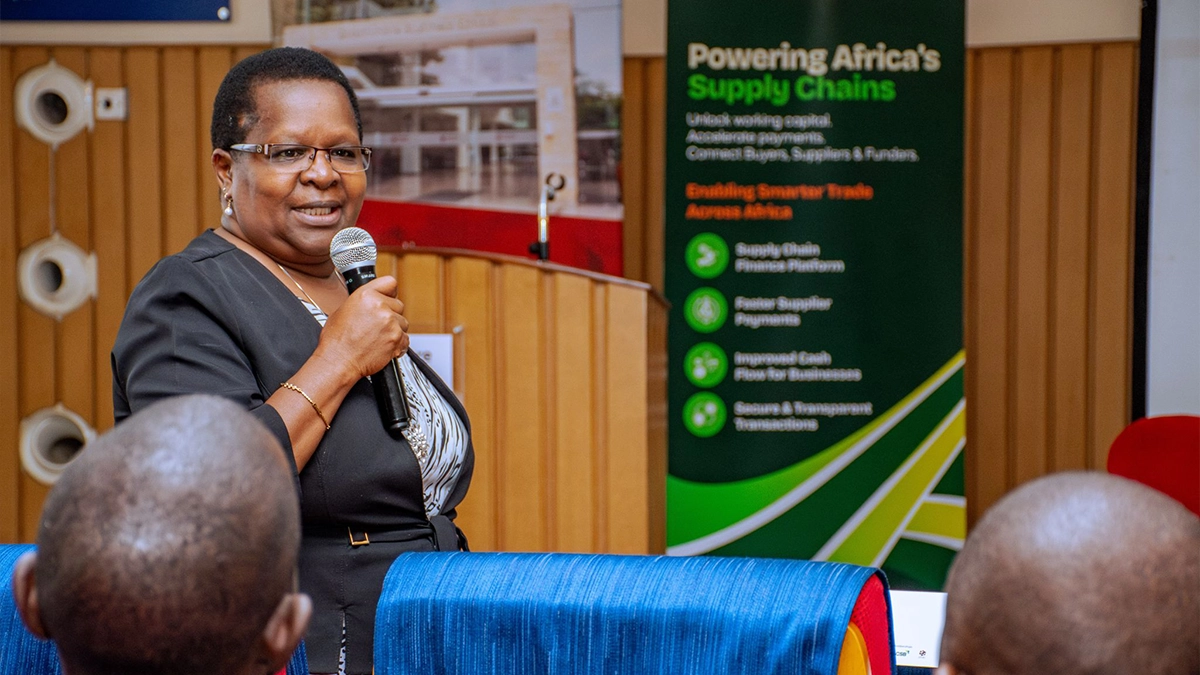
A multi-sector panel with representation from the Kenya Bankers Association (KBA), Kenya Private Sector Alliance (KEPSA), Kenya Association of Manufacturers, Academia and an MSME further deepened these insights, unpacking the practical barriers and emerging opportunities across the supply chain ecosystem, from invoicing systems to liquidity access. The discussion underscored a shared consensus: while policy frameworks and technological solutions are increasingly in place, execution remains the defining gap.
“A seamless supply chain is not a luxury, it is a lifeline. We have the policy, the momentum, and the institutions. What we need now is execution. Together.” PS Patrick Kilemi.
Kenya stands at a pivotal moment. The convergence of policy reform, financial innovation, and digital infrastructure presents a rare opportunity to reimagine how capital flows through the economy. But unlocking this potential will require more than isolated solutions, it will demand coordinated action across government, financial institutions, technology providers, and the private sector. If effectively harnessed, supply chain financing can move beyond being a financial instrument to becoming a structural enabler of inclusive economic growth.
Article by Juliet Hinga
Share This Story, Choose Your Platform!
Your journey to business excellence starts here. Subscribe today and be at the forefront of innovation and leadership.








 English (United States)
  English (UK)
  French