

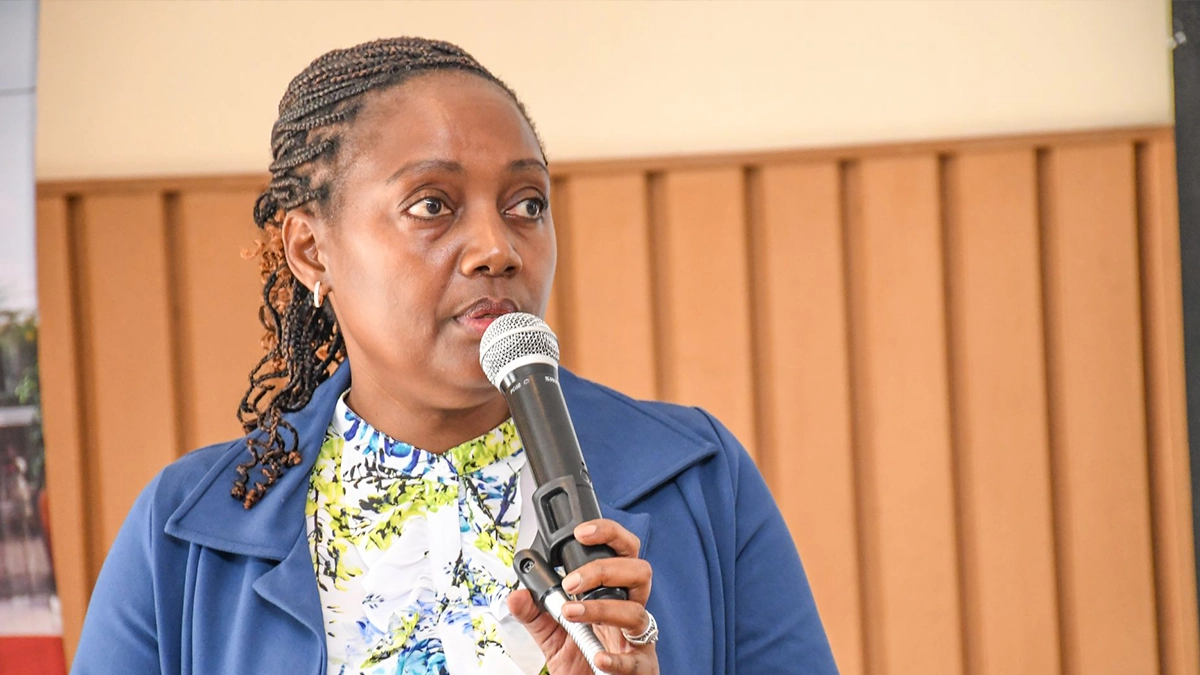
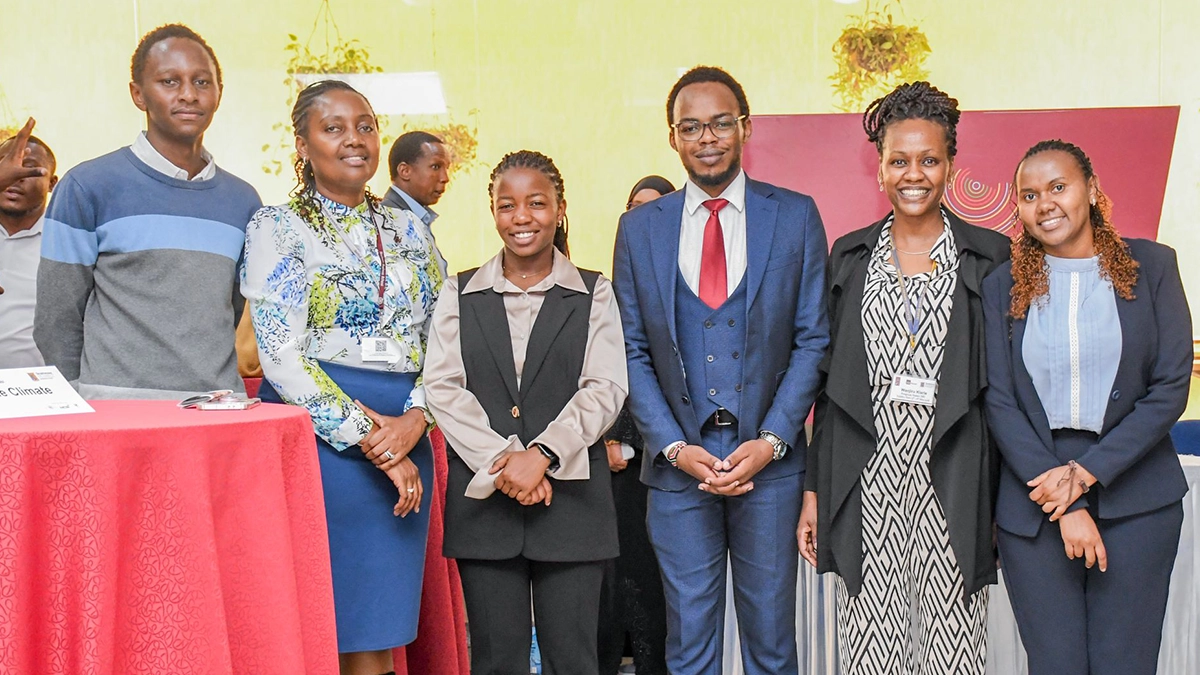
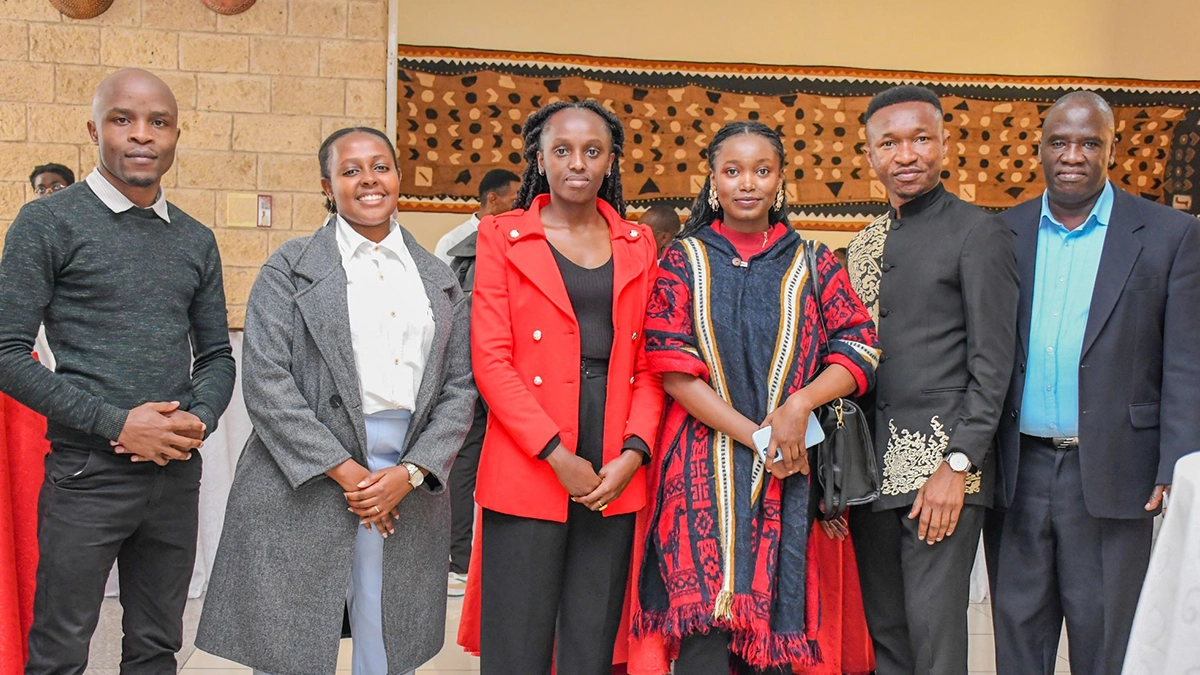
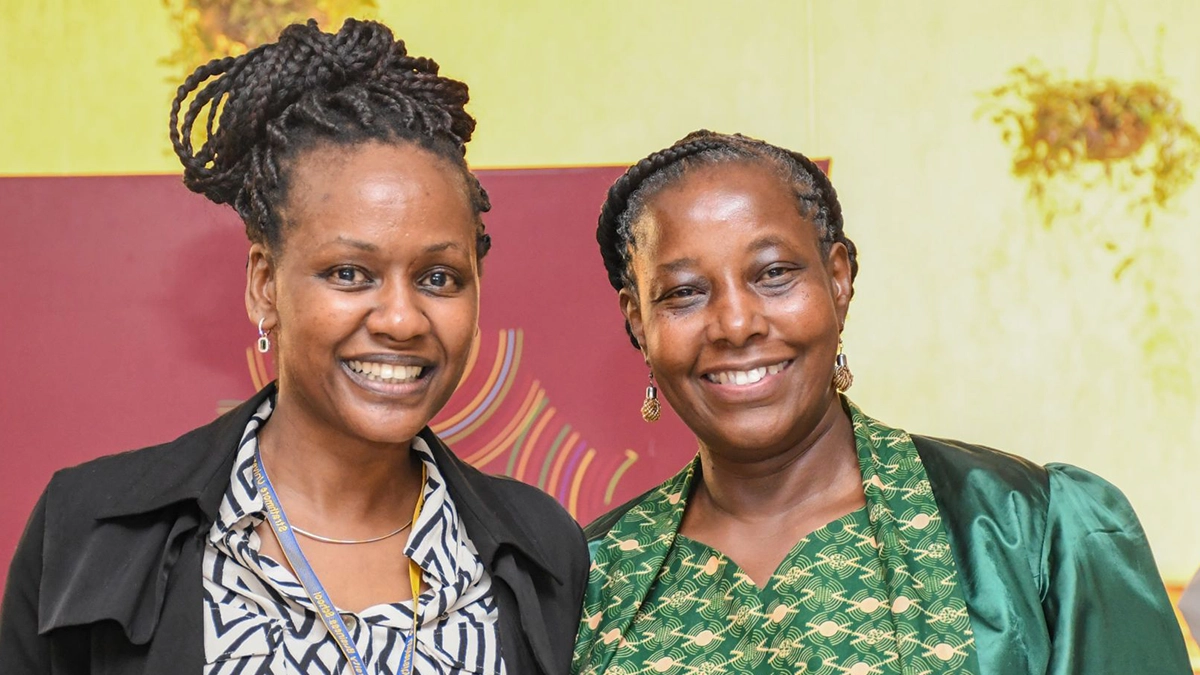
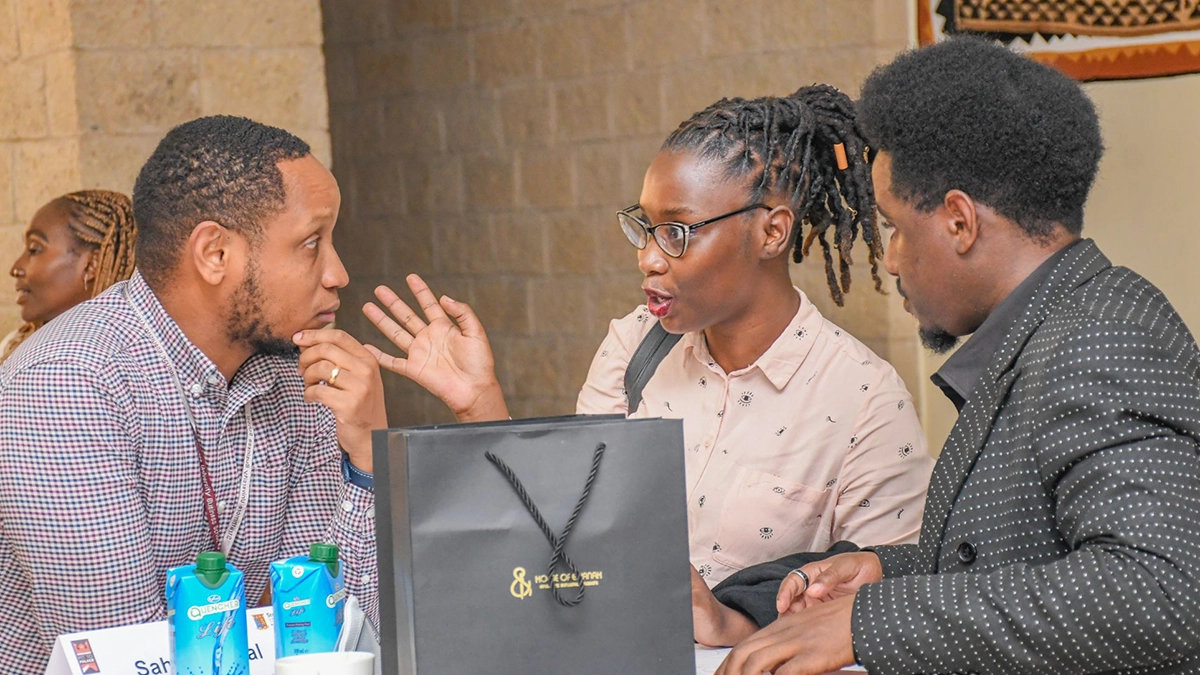
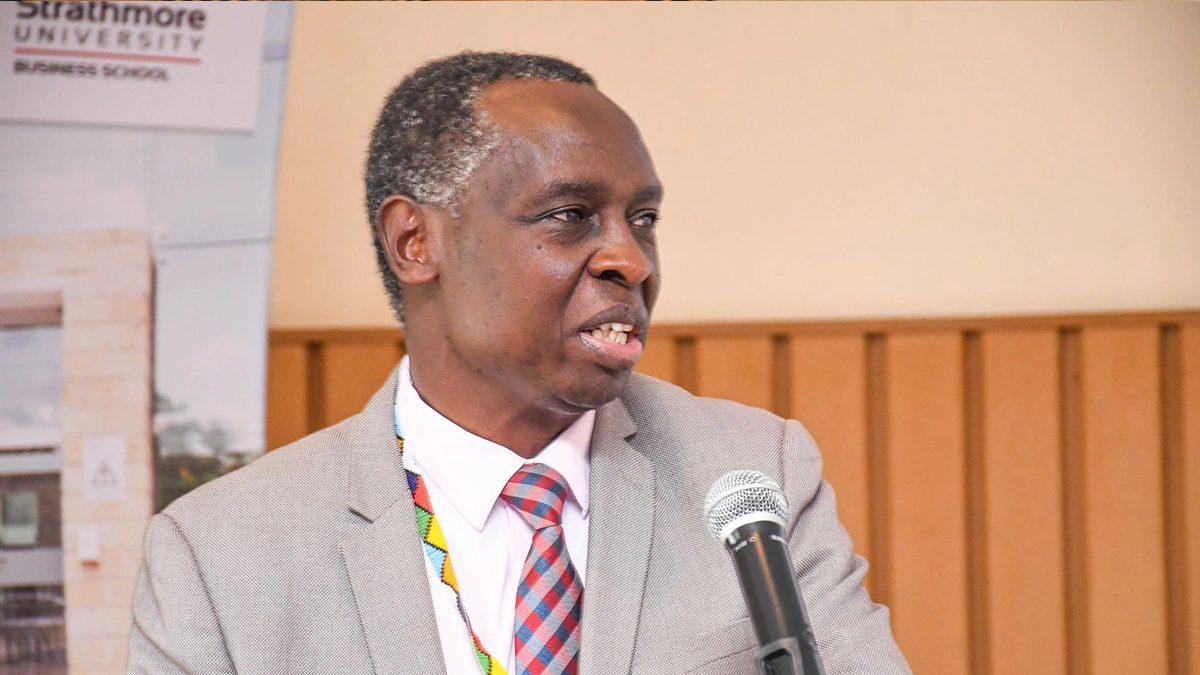
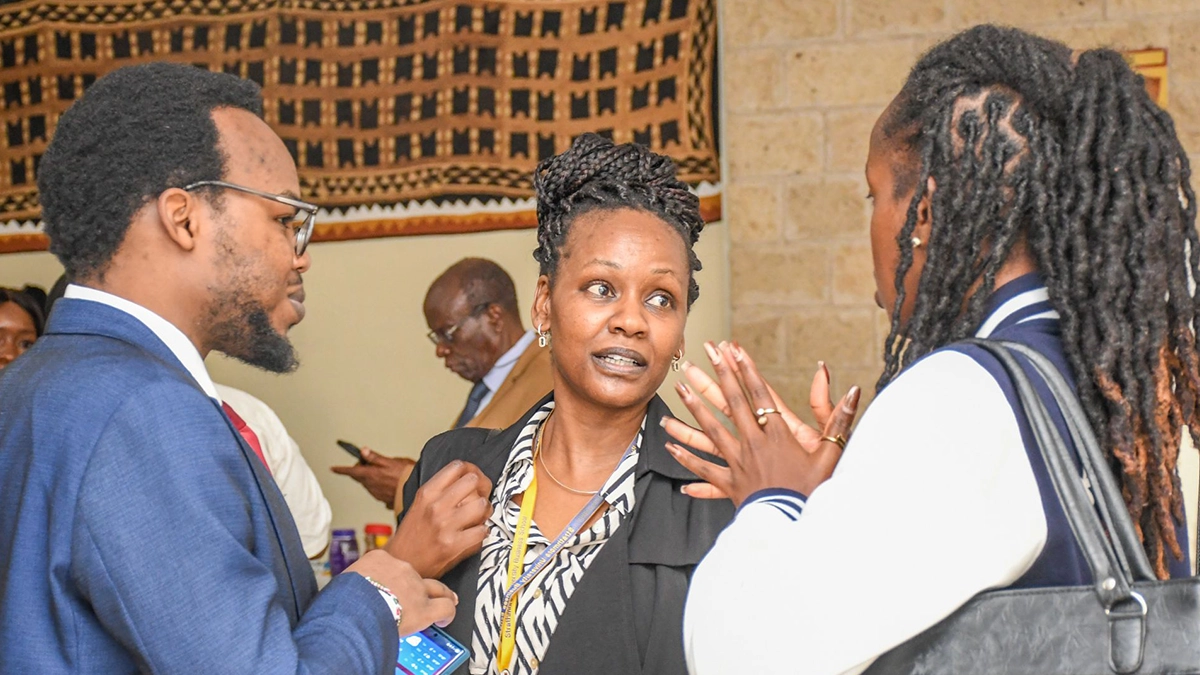
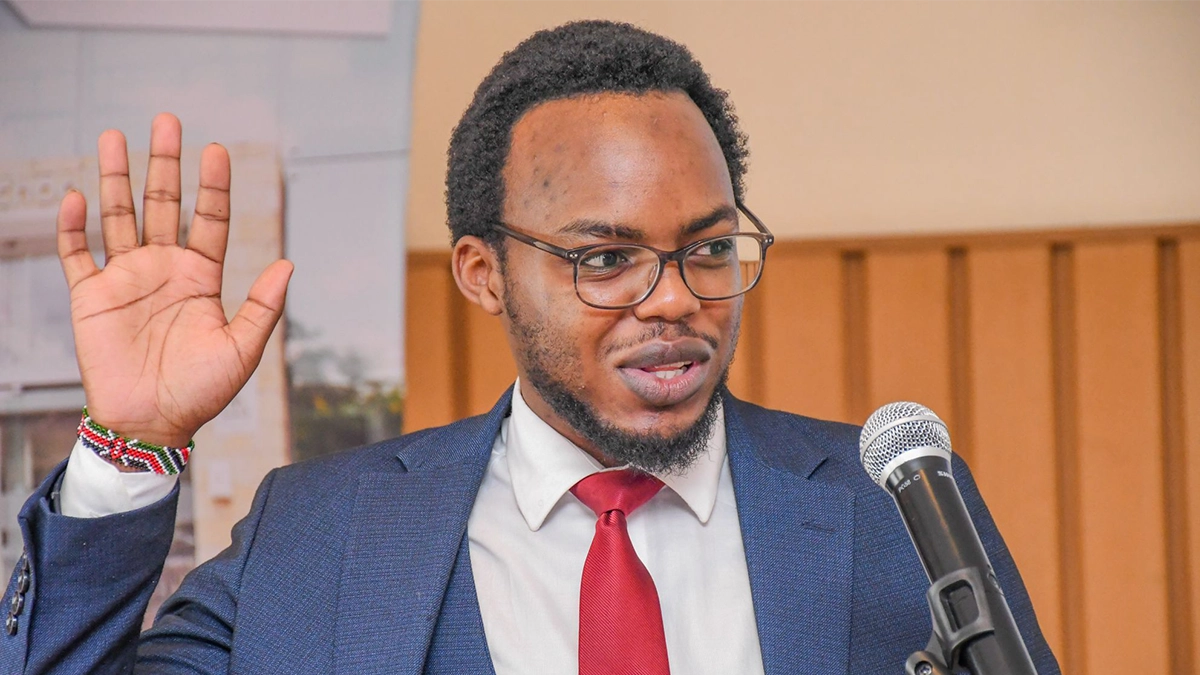
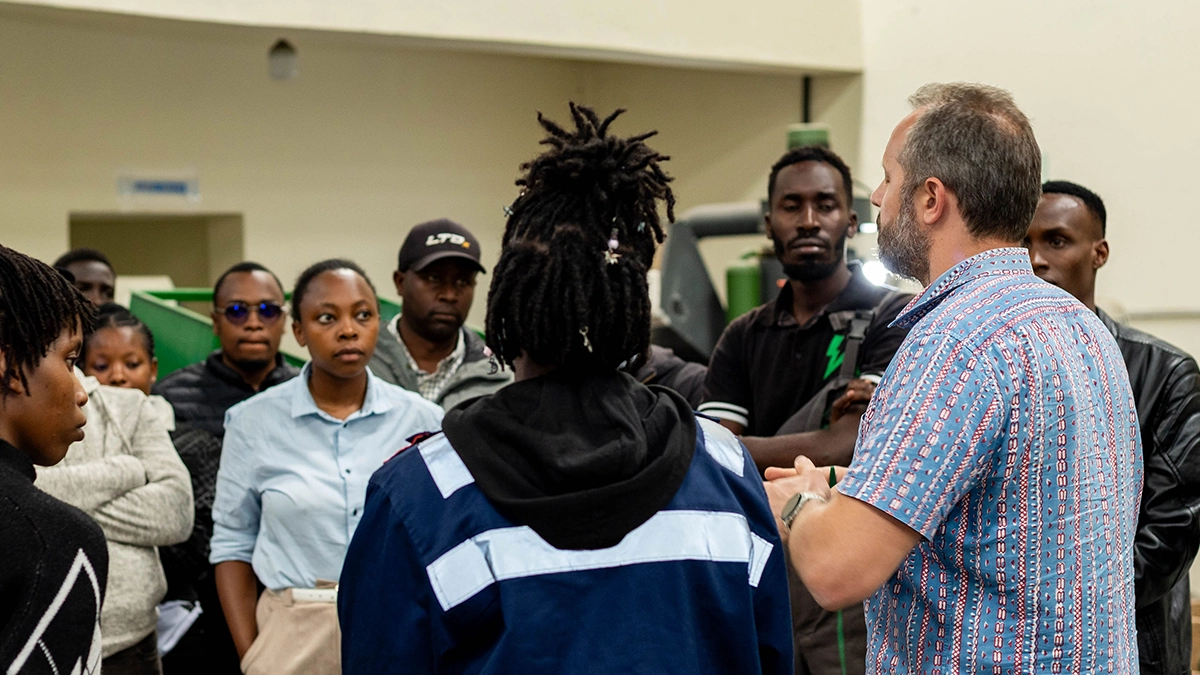
This year’s International Coaching Week (ICW) 2026 Summit at Strathmore University Business School (SBS) convened leaders in coaching, HR, and organisational learning to examine how coaching enables organisations to build sustained performance in a rapidly changing environment.
Held globally from 18th to 24th May 2026, International Coaching Week is an annual effort by the coaching profession to highlight the value and impact of coaching on individuals, teams, and organisations. The 2026 theme, “Beyond Training: Delivering Sustained Performance via Coaching,” stressed the need to shift from one-time learning events to continuous coaching cultures that drive behavioral change and performance.
ICW celebrates transformative coaching, promotes professional standards, and shows how coaching drives leadership, wellbeing, innovation, and organisational effectiveness.
The ICW2026 Summit convened practitioners and thought leaders to explore how organizations can move from one-off training to sustainable learning ecosystems.
Speakers repeatedly emphasized that, amid rapid technological change and AI advances, sustained workplace performance depends on continuous learning rather than one-off training.
Participants noted traditional training is valuable for knowledge transfer but often limited without practice. Coaching, by contrast, was seen as more sustainable, helping individuals internalize learning, shift mindsets, and turn knowledge into consistent leadership and performance.
In this sense, coaching was positioned not as a replacement for training, but as a crucial bridge from knowledge to real-world application.
Building coaching cultures from the top. Sustainable coaching calls for leaders to intentionally model coaching to embed learning throughout the organisation. Environments where employees feel safe to experiment, speak up, and learn from failure are essential for innovation and growth.
Measuring coaching impact and return on investment. Participants highlighted the need for clear frameworks to assess the effectiveness and value of coaching. Communication strategies were identified as key to managing increasingly diverse and intergenerational workforces.
Strengthening self-awareness and accountability. Coaching was recognised as a powerful enabler of reflective leadership, personal ownership, and continuous improvement.
A central message echoed throughout the summit was: “Learning is a process, not an event.” This insight reinforced a growing shift in organisational thinking: from viewing learning as a one-time activity to a continuous, embedded practice evolving with people and systems. Against the backdrop of evolving workforce dynamics, the summit reaffirmed a central truth: sustainable performance is rooted in people, not just processes.
The summit established that coaching is key for organizations aiming to unlock human potential, strengthen resilience, and build adaptive leadership for the future of work.
Ultimately, the most effective organisations learn continuously, lead intentionally, and coach consistently.
Article by Miriam Wafula
Share This Story, Choose Your Platform!
Your journey to business excellence starts here. Subscribe today and be at the forefront of innovation and leadership.





 English (United States)
  English (UK)
  French