


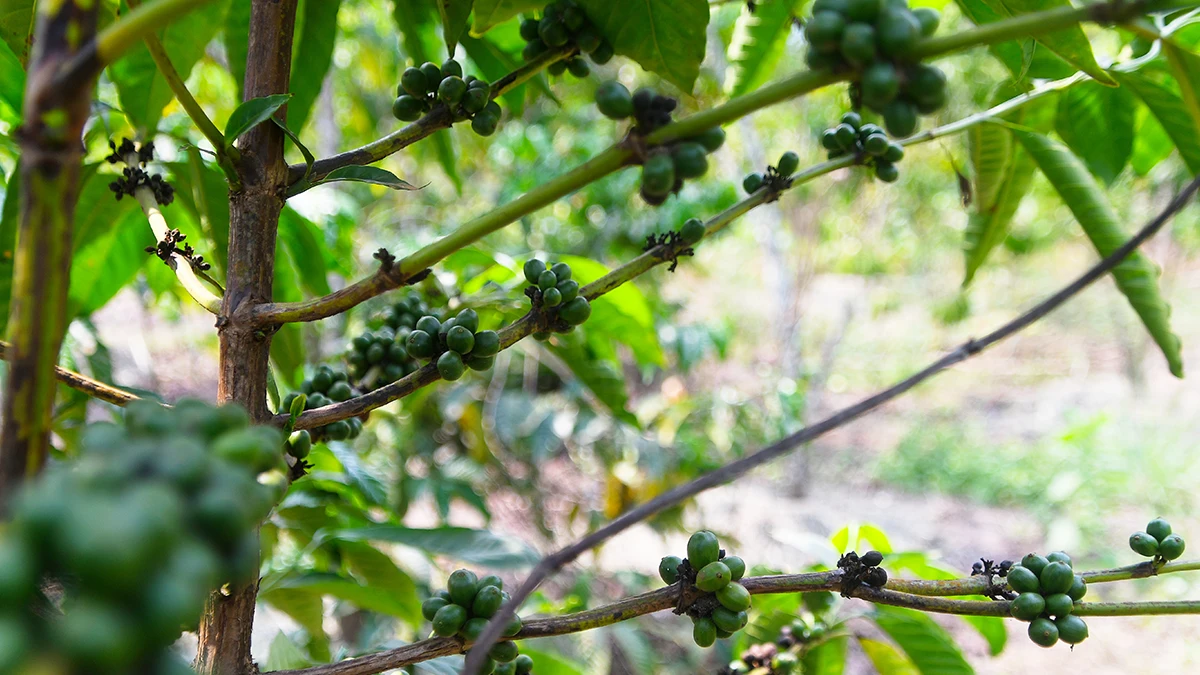
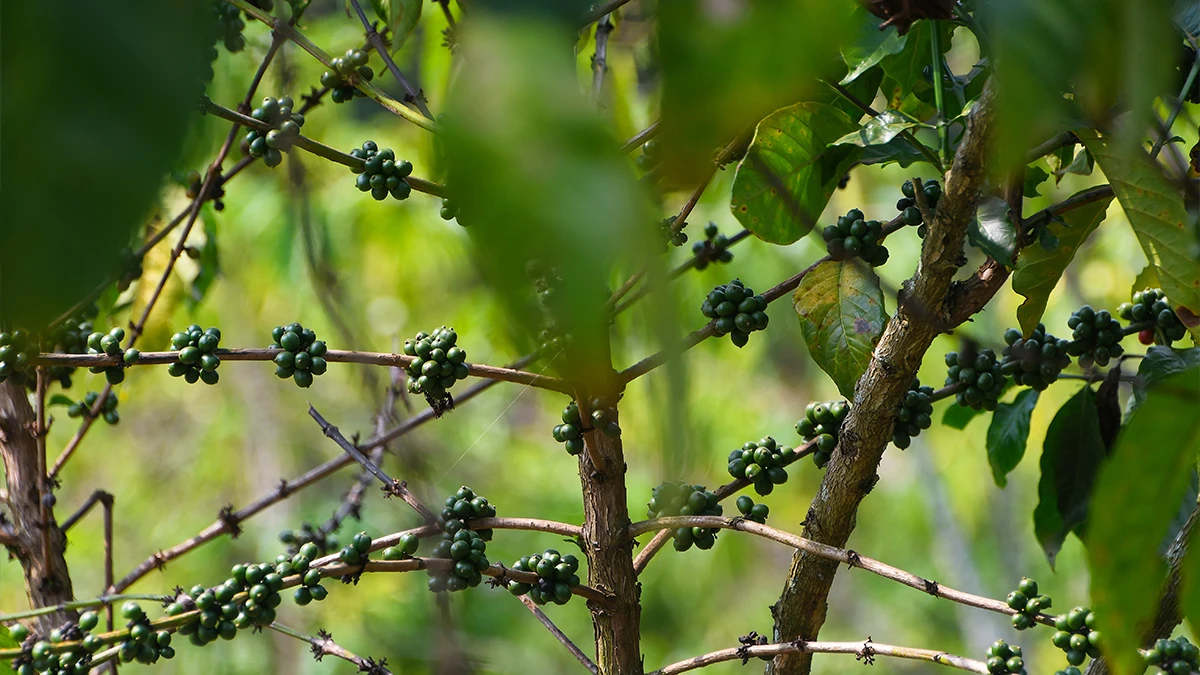
Life is a challenging daily grind for many in the remote and hilly terrain of Rukungiri District, Uganda. The region, known for its rugged beauty, is also marked by poverty and limited economic opportunities. For years, the people of Rwengiri, a small town within the district, have struggled to make ends meet, with coffee being the only significant cash crop. Yet even this potential lifeline has barely been keeping heads above water, as poor management skills and limited resources mean that coffee farming yield little profit.
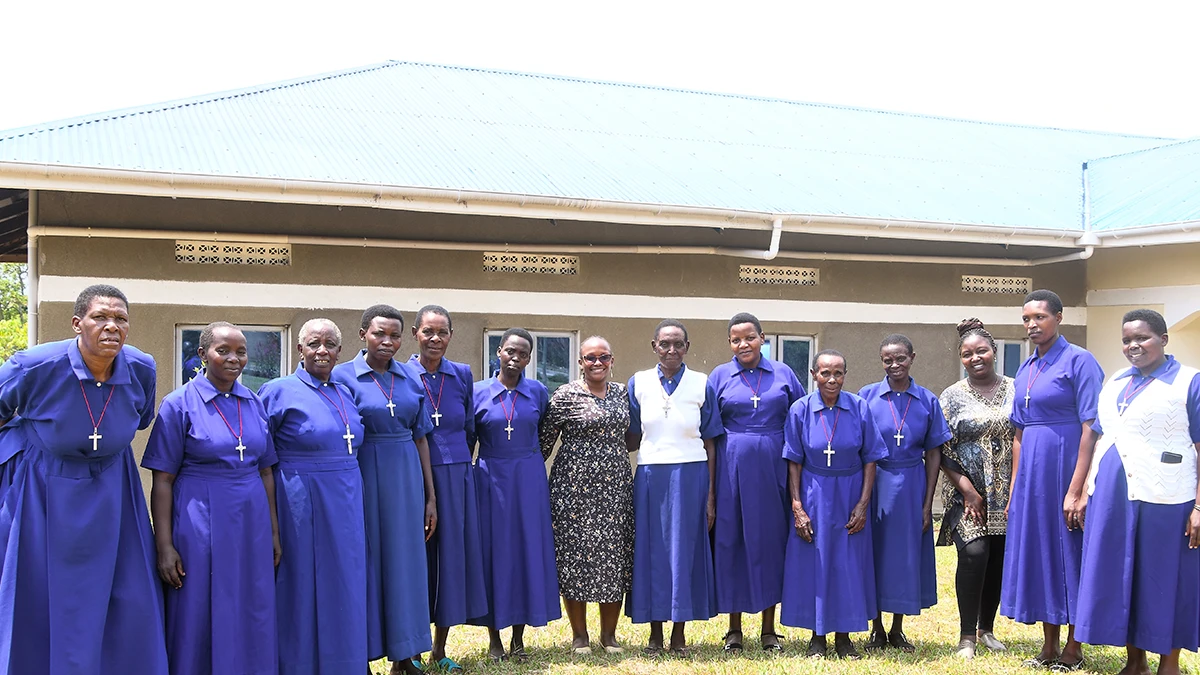
Amidst these challenges, the Consolers of the Sacred Heart of Jesus, a local Catholic congregation, felt a deep calling to make a difference. Started in 1968 with six girls by a devout Catholic woman, the congregation has grown to 105 consecrated sisters serving in various districts across Uganda. “Our charism is love, compassion, humility, and emptiness, and we are determined to find meaningful ways of uplifting this community,” shares Sister Moleen Birungi from the Institute of the Consolers of the Sacred Heart of Jesus in Rwengiri Diocese. “Through our social enterprise, we aim to manage and expand coffee production in the Rwengiri community, hoping our efforts will help everyone recognize and appreciate God’s love.”
“During our pastoral movement, we realized many community members struggled. Apart from coffee, there isn’t a reliable cash crop, and even matoke isn’t doing well,” Sister Moleen Birungi noted. This realization led the sisters to identify an opportunity to align their mission with a practical solution: a coffee farming enterprise that could create jobs and improve the livelihoods of the local population. “We decided that once we started this project, people could get employed and learn from us,” Sister Moleen explains. “As the project grows, we hope to inspire others to start their ventures, acquire new skills, and sustain themselves.”
Yet, despite their best intentions, the early days of the project were challenging. With 40 acres of land at their disposal, the sisters initially cultivated only one acre for coffee, yielding minimal revenue that barely met their needs. The challenges were immense—limited agricultural knowledge, poor management practices, and unpredictable weather conditions conspired to make success seem a distant dream.
The turning point for the Consolers of the Sacred Heart of Jesus came when they participated in the Sisters Blended Value Project (SBVP), an initiative to transform the social ministries of catholic sisters into sustainable social enterprises. SBVP is implemented by Strathmore University Business School (SBS) in collaboration with the Association of Consecrated Women of Eastern and Central Africa (ACWECA) and generously supported by the Conrad N. Hilton Foundation. It provides sisters with a unique opportunity to enhance the impact of their social ministires in the community. The congregation participated in the Start-Up and Level 1 of the SBVP Social Entrepreneurship Programmes, designed to equip sisters with the skills and knowledge necessary to manage their projects more effectively.
“The training we received was invaluable,” says the Superior General of the congregation, who participated in the level 1 programme. “We learned about teamwork, coordination, and the importance of budgeting. Today, we don’t start any project without a budget—something we hadn’t fully grasped before. The training has made us more organized and confident in managing our projects.”
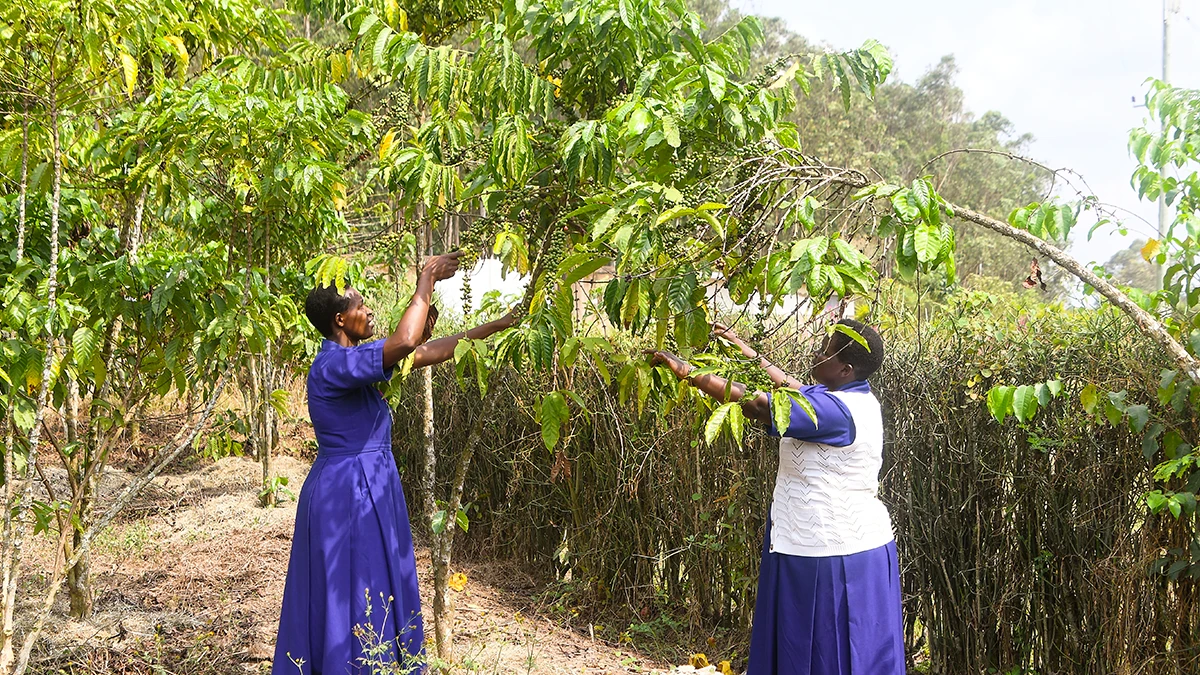
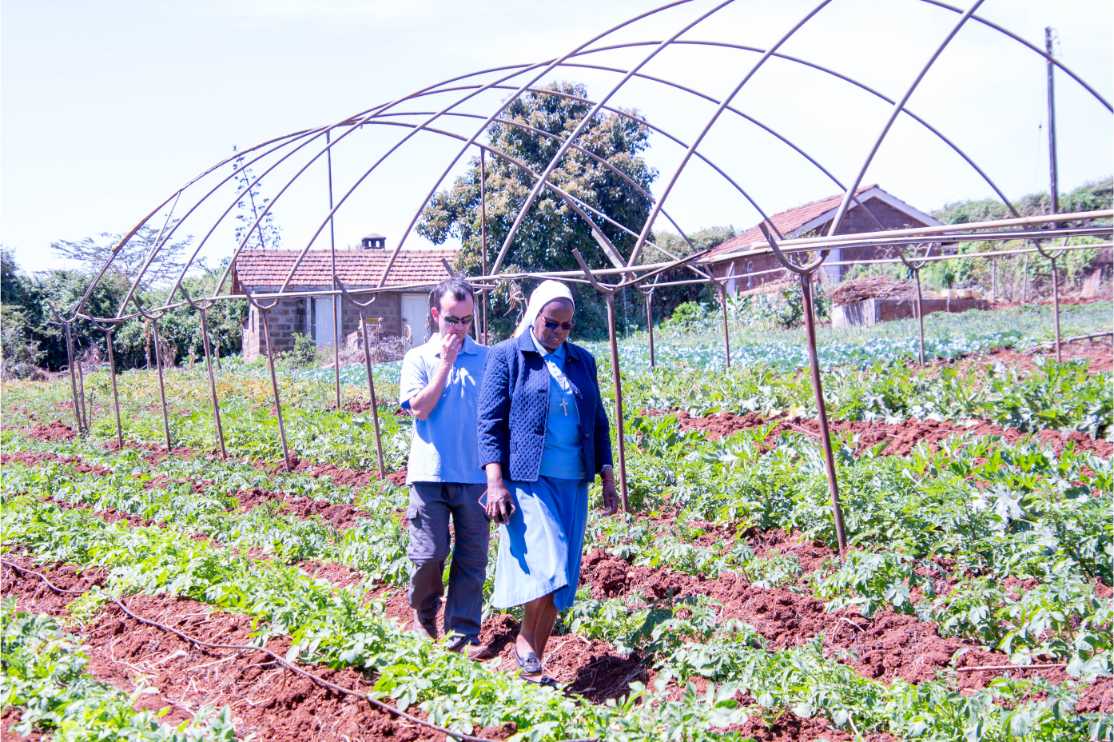
Armed with new knowledge and a seed grant from Strathmore University, the sisters expanded their coffee farming operations by an additional three acres. They used the funds to clear and prepare new virgin land, purchase herbicides and fertilizers, and treat their existing coffee plants, which had been in poor condition. The result was nothing short of miraculous. Their revenue jumped from UGX 4 million to UGX 6 million in their last harvest—a 50% increase that allowed them to sustain the convent, cover daily expenses, support the medical costs of sisters, and invest in essential farming equipment like pruning machines.
The impact of their efforts has extended beyond the convent walls. The sisters are actively involved in the local community, offering training in coffee farming techniques. “Our community has been positively impacted,” Sister Moleen notes. “The community around is also planting coffee, and their income is increasing. With their involvement in coffee farming, we have seen an opportunity to do coffee beans cleaning and take advantage of the growing coffee plantations in the area.” Once their plans are realized, they project earning approximately UGX 40 million from a single harvest.
However, the road ahead has its problems. “We face serious challenges like unpredictable weather conditions and the high cost of employment. Our wage bill is ballooning, and we must manage it carefully” commented Sr. Angelina. Despite these obstacles, the sisters remain undeterred. They have established a robust management structure to ensure the sustainability of their project. A group of six sisters has been formed to oversee the success of the project. This system of checks and balances is crucial in maintaining transparency and accountability, ensuring that the project remains on course.
Looking to the future, the sisters are enthusiastic about continuing their collaboration with the SBVP and exploring new avenues for growth. They express profound gratitude for their support and are committed to making their enterprise a model of success that others can follow. “Our goal is to help our community appreciate God’s love through our work,” concluded Sr. Angelina. “By empowering others, we believe we are fulfilling our mission and living out our charism of love, compassion, humility, and selflessness.”
Article by Alex Okoth
Share This Story, Choose Your Platform!
Your journey to business excellence starts here. Subscribe today and be at the forefront of innovation and leadership.


Conrad N. Hilton Foundation
The Conrad N. Hilton Foundation foresees a world in which improving the human condition is a shared and sustainable goal. “Love one another, for that is the whole law,” Conrad Hilton wrote in his will. The peoples of the world “deserve to be loved and encouraged—never to be abandoned to wander alone in poverty and darkness.” That is our resolve.







 English (United States)
  English (UK)
  French