

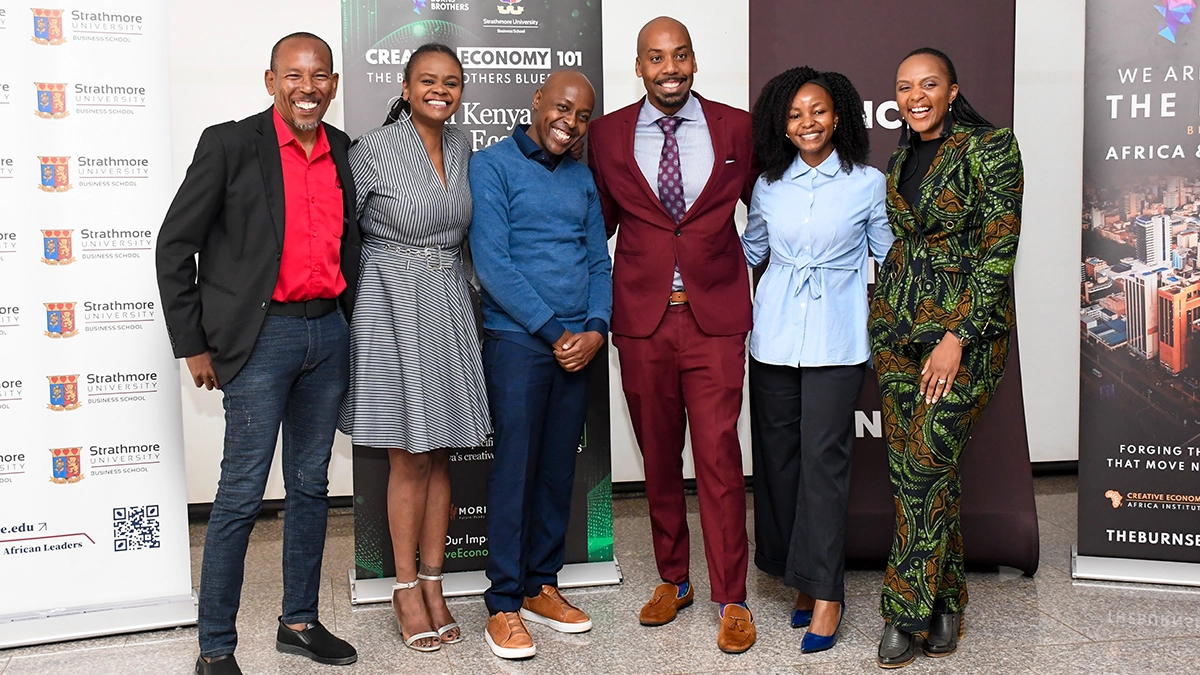
Africa’s creative economy has significant potential but realising it requires more than talent. Knowledge, collaboration, innovation, and a supportive ecosystem are essential for creators to build sustainable businesses.
That was the driving idea behind the launch of Creative Economy 101, the inaugural programme of the newly founded Creative Economy Africa Institute, established by Strathmore University Business School in partnership with The Burns Brothers. Delivered as a self-paced online programme at creativeeconomy101.com, the course spans seven modules covering the foundations of the creative economy and is priced at KShs. 8,500, and is certified by Strathmore University Business School.
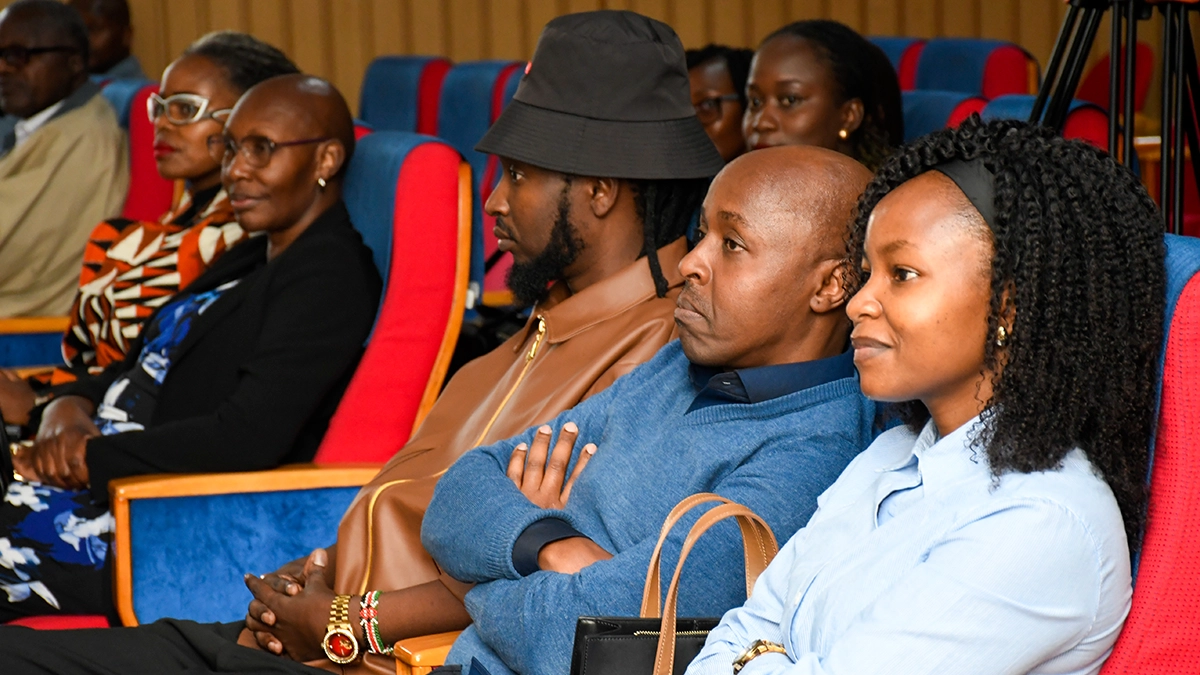
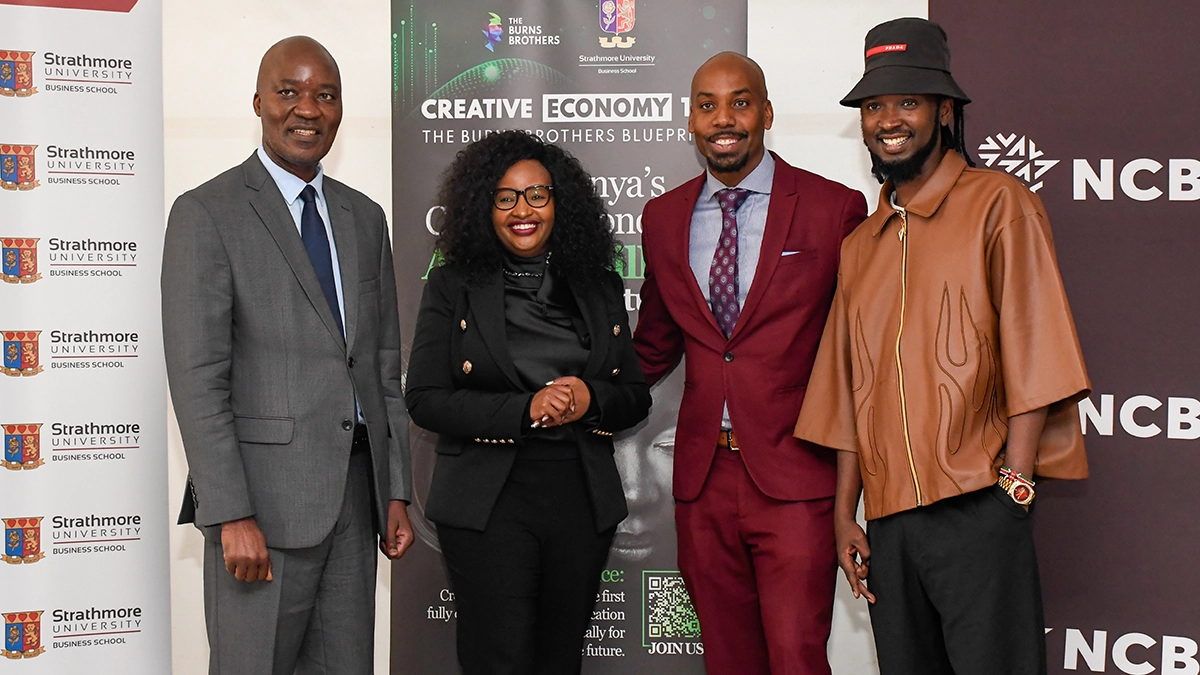
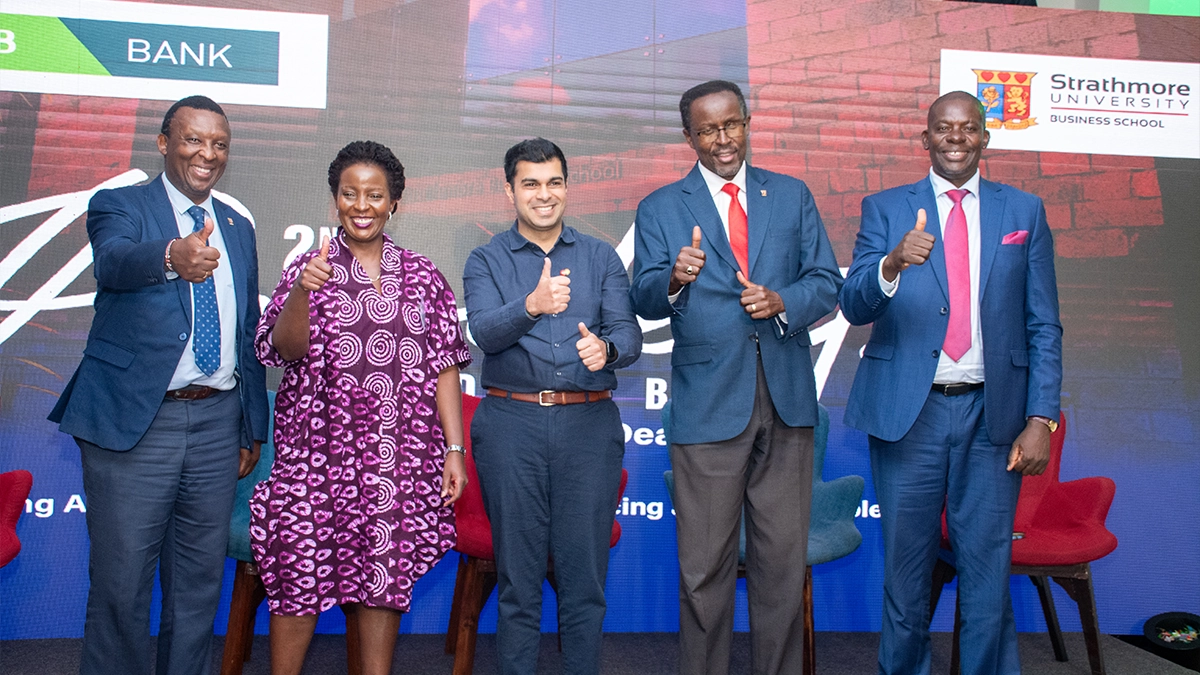
The launch event convened leaders from education, business, policy, and the creative sector to discuss how to build a more connected and commercially viable creative ecosystem in Africa. The Institute aims to help unlock one million jobs in Africa’s creative economy by 2035.
Creative Economy 101 was developed in response to one of the biggest challenges facing Africa’s creative industries: talent is abundant, but many creators lack access to the business knowledge, networks, and practical tools needed to turn creativity into sustainable economic opportunity. The programme draws on insights from entrepreneurs, business leaders, creators, and industry experts to help participants build a working understanding of entrepreneurship, intellectual property, finance, business growth, and the broader creative economy ecosystem.
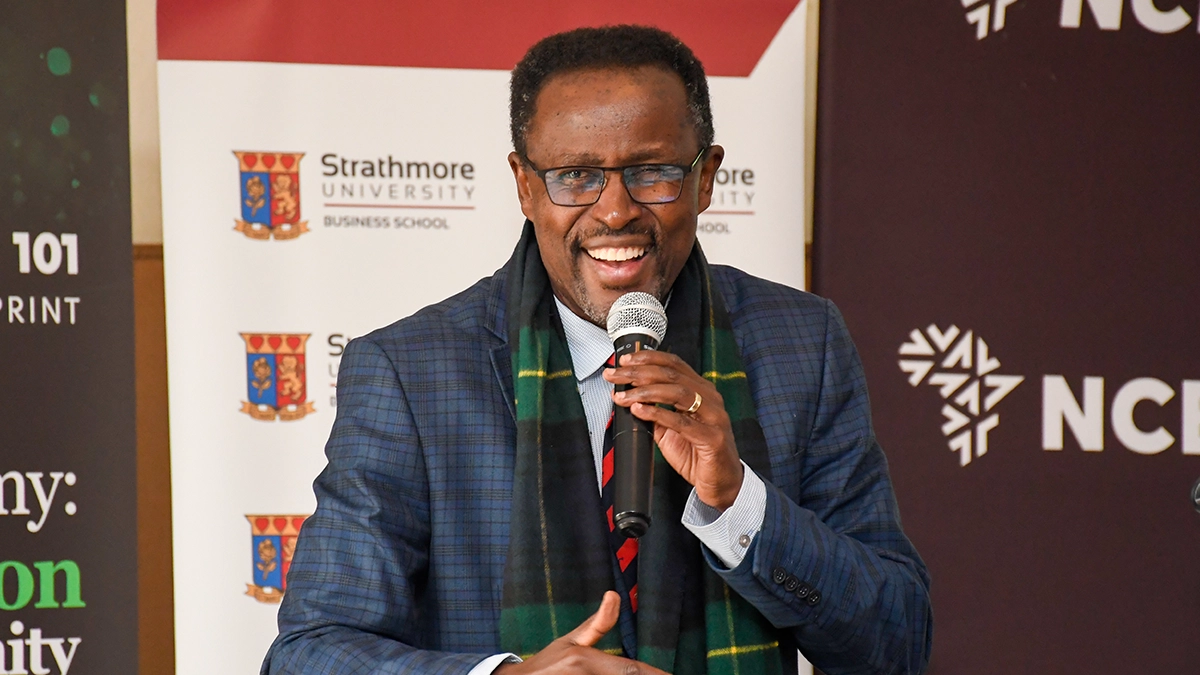
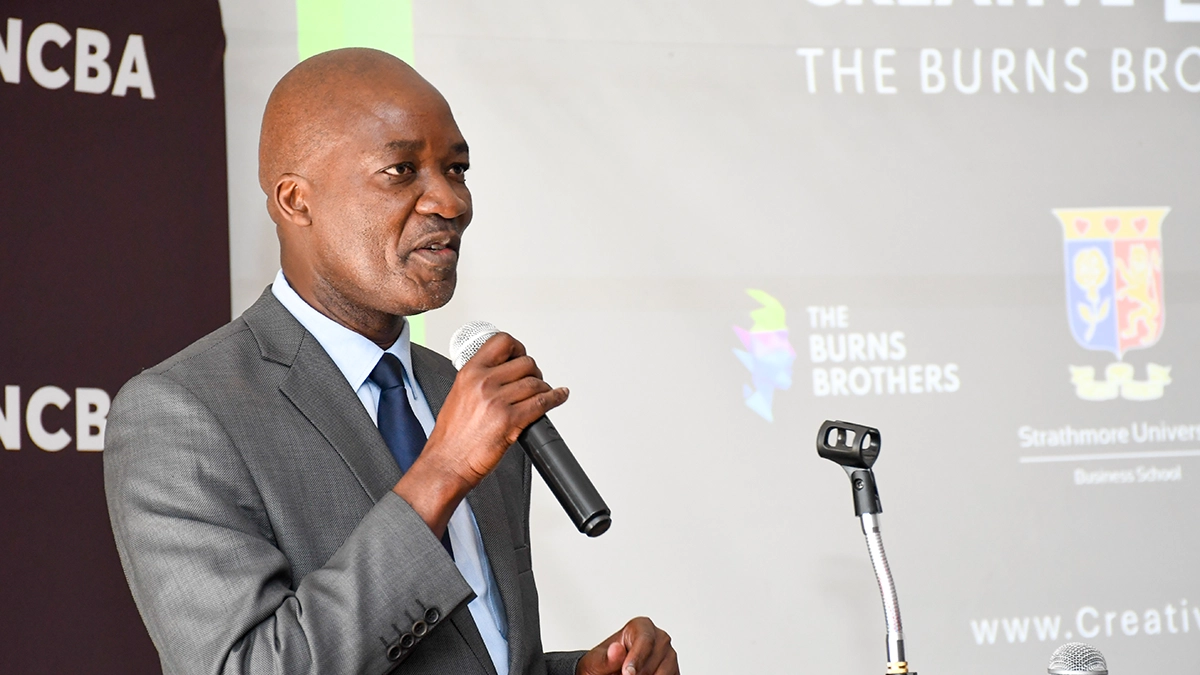
At the launch, Dr. Caesar Mwangi, Executive Dean of Strathmore University Business School, reaffirmed the school’s commitment to developing transformational leaders and creating opportunities that inspire hope among Africa’s youth.
“The creative economy is one of Africa’s most significant untapped economic opportunities. Through the Creative Economy Africa Institute and programmes such as Creative Economy 101, we are combining academic excellence with practical industry expertise to develop leaders, strengthen ecosystems, and generate the knowledge needed to build a more competitive and inclusive creative economy across the continent, “Dr. Mwangi noted.
This theme resonated throughout the event: Africa has abundant talent but needs stronger systems to help creatives succeed. According to UNESCO, Africa’s cultural and creative industries could generate over US$20 billion annually and create more than 20 million jobs. Achieving this potential requires stronger institutions, improved access to knowledge and capital, and closer collaboration among industry, academia, and policymakers.
Mike Burns, President and Founding Partner, The Burns Brothers, noted that the launch of Creative Economy 101 was just the first step in realising the vision of the Creative Economy Africa Institute. “Africa’s greatest export over the coming decades will be its creativity, culture, innovation, intellectual property, and human potential. Creative Economy 101 is the first of many initiatives we will launch through the Institute as we work to build the knowledge, partnerships, and ecosystems required to unlock the full value of Africa’s creative economy,” Mike noted.
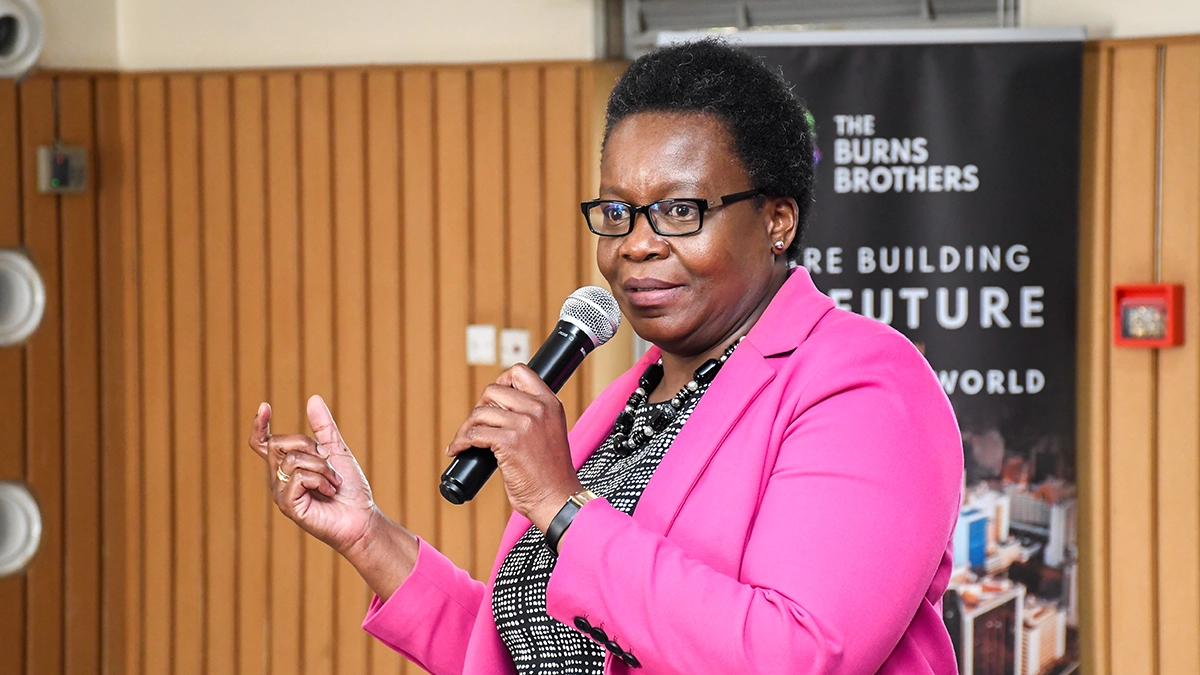
Dr. London Moore, Managing Director of Nova Pioneer East Africa and Head of Strategy Africa at The Burns Brothers, advocated for a holistic approach that connects education, industry, and creativity through a shared framework for the creative economy.
“The future of work is evolving faster than ever before, and education must evolve alongside it. At the basic education level, schools cannot afford to operate in isolation from industry. Initiatives such as Creative Economy 101 demonstrate the importance of creating stronger connections between education and industry to prepare learners not just for jobs, but for the opportunities and industries of the future,” Dr. London Moore, Managing Director, Nova Pioneer East Africa; Head of Strategy Africa, The Burns Brothers
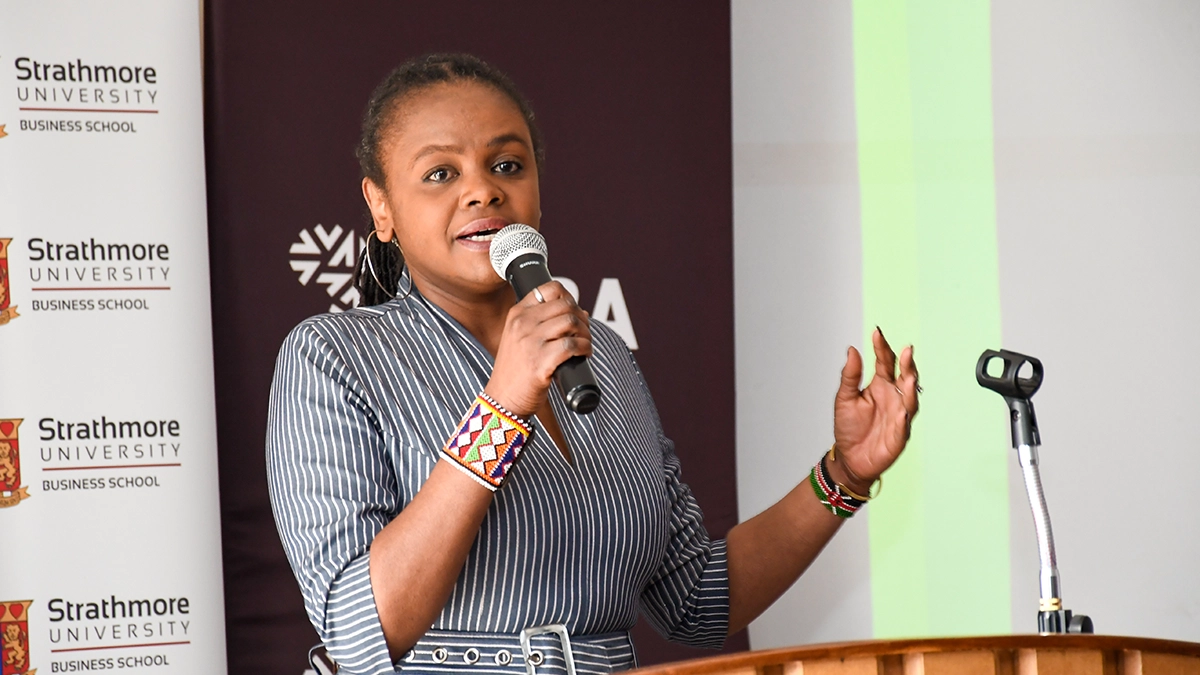
Representing the next generation, young creator Kerry encouraged participants to look beyond instant fame, emphasizing that Africa needs more creator CEOs—individuals with the business skills to build and scale successful ventures.
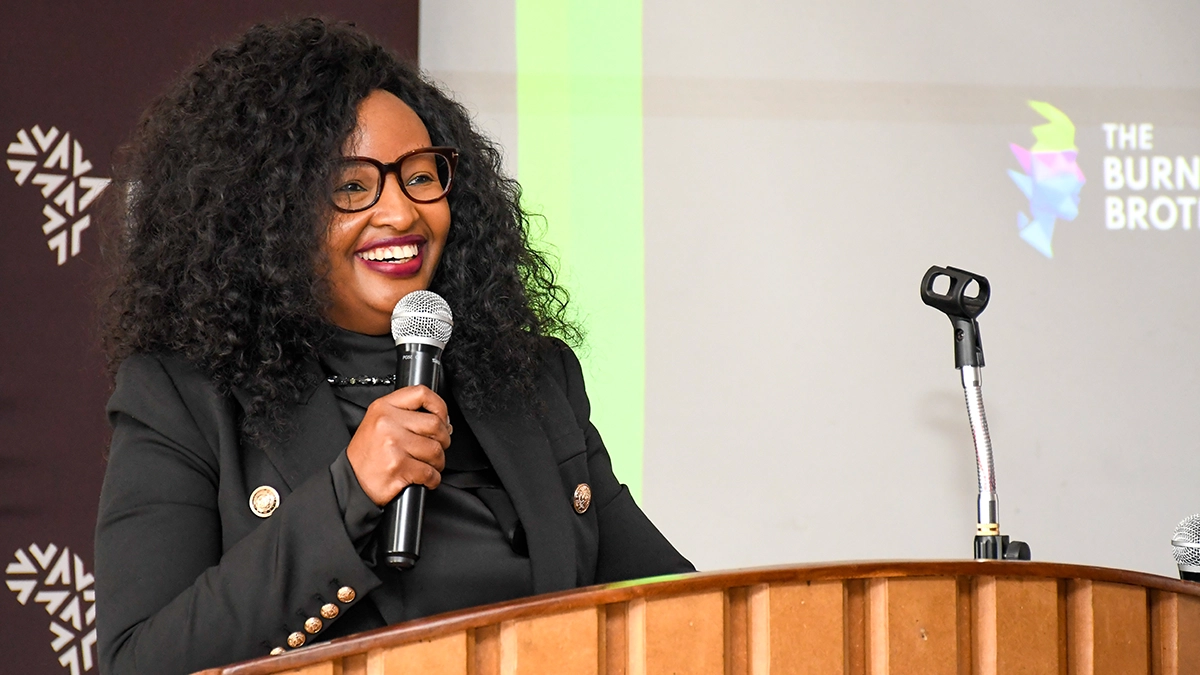
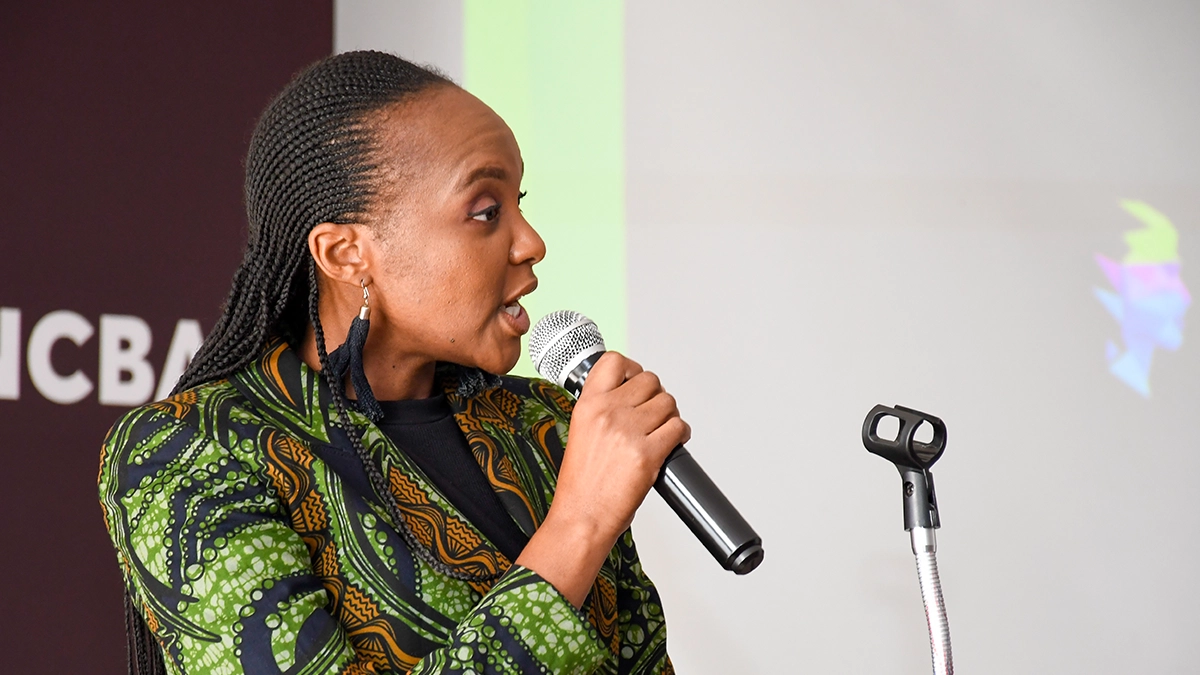
Music producer and singer Viola Karuri shared her perspective on the creative industry, emphasizing that talent alone is not sufficient. She noted that sustainable creative careers require business acumen, collaboration, and an environment where creatives are recognised as professionals capable of running successful businesses, not just as artists seeking a breakthrough.
Highlighting private-sector support for the creative economy, NCBA, through its Elev8 programme, is sponsoring ten creators to join the inaugural Creative Economy 101 cohort. “At NCBA, we believe creators are entrepreneurs, innovators, and business builders whose ideas can create jobs and drive economic growth. Through our Elev8 programme, we are proud to support 10 creators in participating in Creative Economy 101 and gaining access to the skills, knowledge, and networks that will help them grow their enterprises. Supporting the creative economy is not only an investment in talent, but also an investment in Africa’s economic growth,” said Nelly Wainaina, Group Director, Marketing, Communications and Citizenship, NCBA Group.
As Creative Economy 101 begins its first cohort, the programme and the Institute aim to reposition Africa’s creative economy as an innovative, entrepreneurial engine that generates sustainable jobs and long-term economic value across the continent, rather than viewing it solely as a cultural asset.
Article by Juliet Hinga
Share This Story, Choose Your Platform!
Your journey to business excellence starts here. Subscribe today and be at the forefront of innovation and leadership.






 English (United States)
  English (UK)
  French